
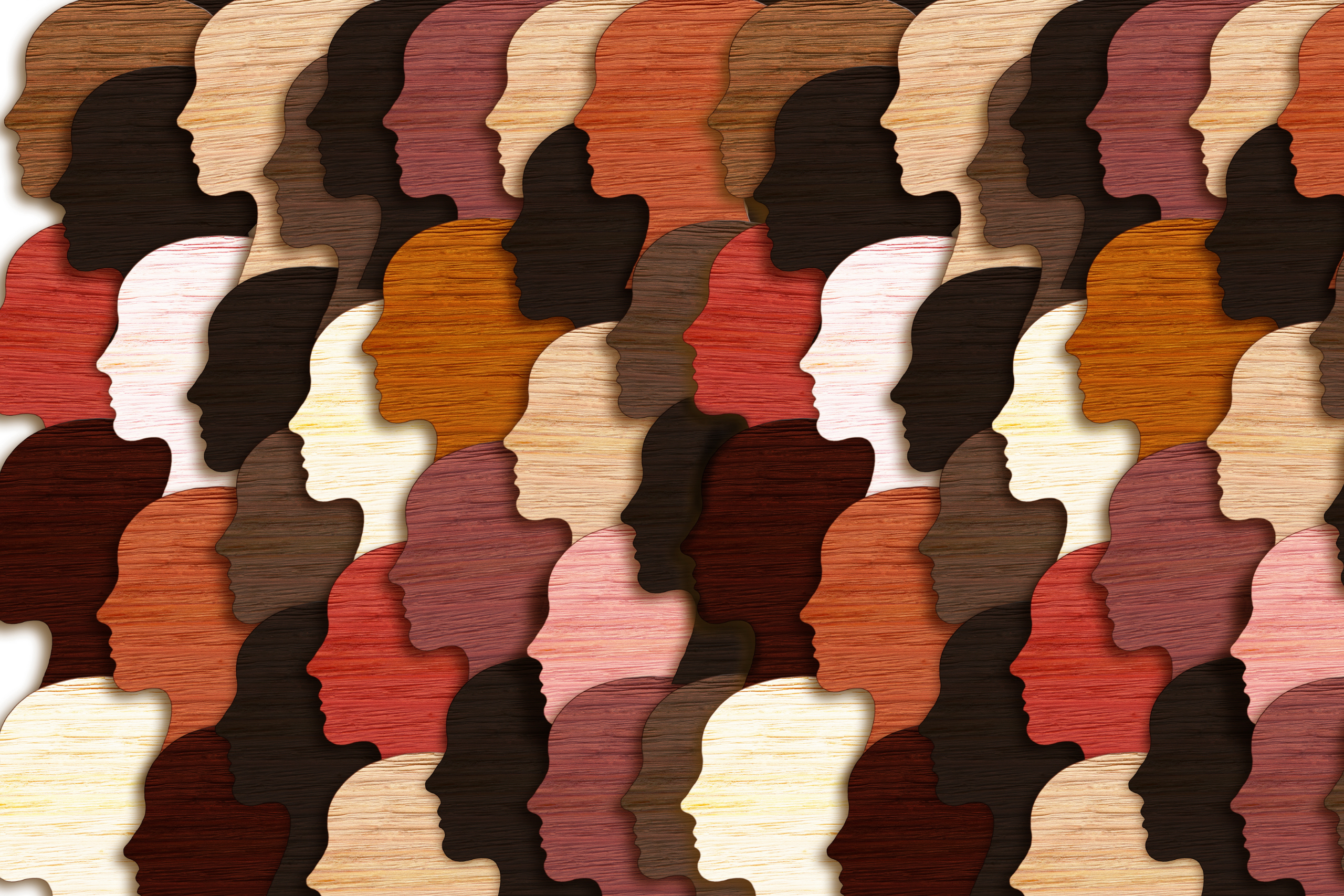
In exploring the ways culture shapes our understanding of mental well-being, we encounter both the positive influence of communal support and the challenges posed by stigmas deeply rooted in cultural norms. Diamond Behavioral Health delves into the intersection of culture and mental health, emphasizing sensitivity and respect for the varied perspectives that contribute to the intricate mosaic of human experiences. Beyond understanding the impact of culture, we address the crucial question of how to overcome stigma, fostering environments where open dialogue and support prevail. Join us as we embark on a respectful exploration of cultural perspectives on mental health, seeking to promote inclusivity and understanding across diverse backgrounds.
How Does Culture Influence Mental Health?
Within the complex dance of the human experience, cultural differences in mental health play a profound role in shaping our perceptions, attitudes, and responses to well-being. Our psychological well-being is woven together by the vast tapestry of cultural influences, which affect everything from our coping strategies to the way we express our emotions. This examination must be approached sensitively, considering the uniqueness and depth present in every cultural context.
Culture’s impact on mental health can include:
- Norms and expectations: Cultural norms dictate how emotions are expressed and what is considered acceptable behavior in various situations, influencing an individual’s approach to mental well-being.
- Community support: Tight-knit communities often provide a strong support system, contributing positively to mental health outcomes. In some cultures, familial and communal bonds play a pivotal role in coping with challenges.
- Stigma and taboos: Addressing cultural perspectives on mental health is crucial, as cultural beliefs can contribute to the stigma surrounding mental health issues. Dismantling these stigmas is essential for fostering understanding and acceptance.
- Cultural identity: The sense of belonging to a particular cultural group can be a protective factor for mental health. It provides a foundation for self-identity, resilience, and a source of strength during difficult times.
- Spirituality and healing practices: Many cultures incorporate spiritual or traditional healing practices that contribute to mental well-being. These can include rituals, ceremonies, or mindfulness practices deeply rooted in cultural traditions.
As we explore the intricate relationship between mental health in different cultures, it’s important to recognize the diversity of human experiences and the varying ways different cultures approach these sensitive matters. Respectfully recognizing these distinctions enables a deeper comprehension of the intricate interactions that exist between mental health and culture. We can strive to create inclusive environments that acknowledge and support a variety of mental health journeys by promoting a culturally sensitive approach.
Cultural Perspectives on Mental Health
These comprise a range of attitudes, customs, and behaviors that have significant implications on how people in a given culture view and deal with mental health. Respect and an open mind are essential while discussing this subject, as is an awareness of the variety of viewpoints that add to the complex fabric of human experience. Stigma, a pervasive element in many different cultural perspectives, is essential in influencing how people see mental health.
In certain cultures, there is a close relationship between mental health and communal and spiritual dimensions. Rituals, rites, and healing traditions from the past are frequently incorporated into everyday life and provide a comprehensive approach to mental health. However, in some cultural contexts, the stigma associated with mental health may prevent people from talking openly about it or from getting professional assistance. Stigma can take the form of beliefs, prejudices, or cultural conventions that prevent people from admitting they have mental health issues. It is crucial to acknowledge and comprehend various cultural viewpoints, especially the role that stigma plays, to promote efficient support networks and communication. Through a courteous and accurate examination of these many perspectives, we can endeavor to eliminate stigmas and advance inclusive mental health programs that address the unique needs of people from different cultural backgrounds.
How Do You Overcome Stigma?
Overcoming the stigma surrounding culture and mental health demands a determined effort to question preconceptions, build understanding, and establish situations where individuals feel secure to express their mental well-being openly. Addressing and eliminating stigma is a critical step towards encouraging inclusivity and ensuring that everyone, regardless of cultural background, feels supported on their mental health journey.
Strategies to overcome stigma include:
- Education and awareness: Promote education campaigns to raise awareness about mental health, providing accurate information to dispel myths and misconceptions.
- Cultural sensitivity training: Implement cultural sensitivity training programs to ensure that mental health discussions consider and respect diverse cultural perspectives.
- Open dialogue: Encourage open and honest conversations about mental health to break down the walls of silence and create a supportive atmosphere for sharing experiences.
- Media advocacy: Engage in media advocacy to challenge stereotypes and portrayals that contribute to stigmatization, promoting more accurate and empathetic representations.
- Community engagement: Foster community engagement initiatives that bring people together to discuss mental health, share stories, and build a sense of collective understanding.
Through the proactive use of these tactics, people, groups, and communities can strive towards surmounting stigma and establishing a more empathetic and comprehensive perspective on mental health. Through these initiatives, we can work together to create settings in which asking for mental health support is seen as a brave and essential step toward well-being.
Accessing Support at Diamond’s Behavioral Health Treatment Facilities
Accessing support for mental health challenges is a crucial step on the path to well-being. At Diamond’s Mental Health Recovery Center, our commitment to providing comprehensive care extends to a range of therapy programs tailored to address diverse mental health disorders. From anxiety and depression to more complex conditions, our dedicated team is equipped to guide individuals through personalized treatment plans. By fostering an environment that encourages open dialogue, understanding, and respect, we strive to create a supportive space where individuals can access the necessary tools and resources to embark on their journey toward mental health and healing.