
*Disclaimer: The following content discusses sensitive topics related to suicide and mental health. If you or someone you know is experiencing suicidal thoughts or emotional distress, please seek immediate help from a mental health professional or call the Suicide and Crisis Lifeline at 988. The information provided is for educational purposes and is not a substitute for professional medical advice or treatment. Remember, reaching out for help is a sign of strength.*
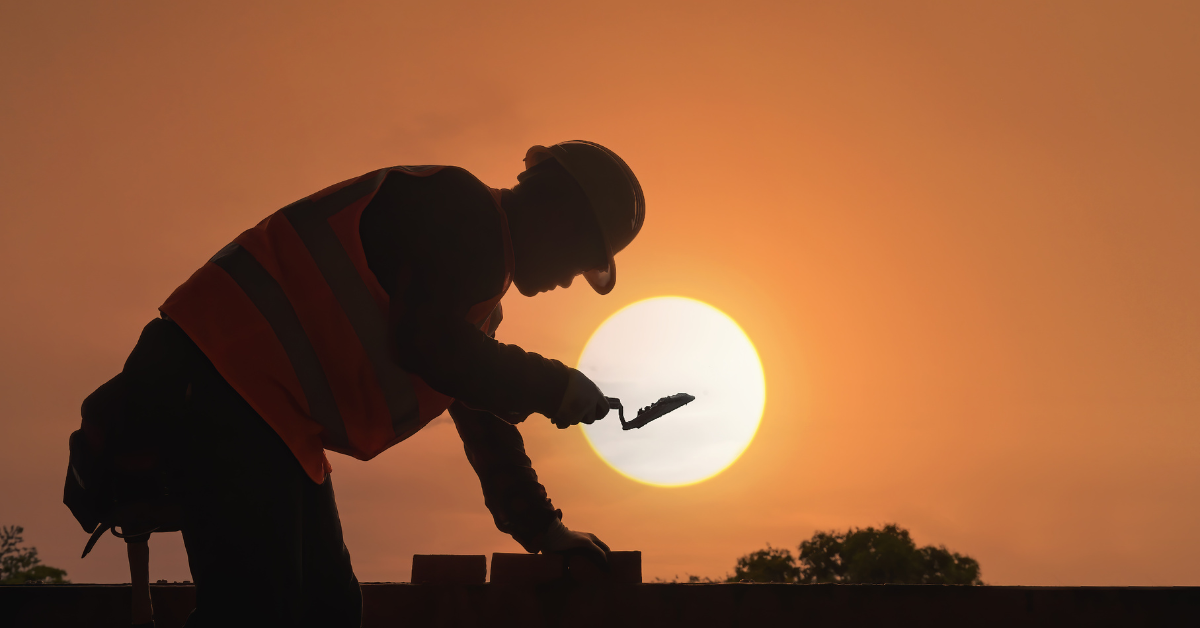
The construction industry, while renowned for its contributions to infrastructure and development, faces a silent crisis that demands urgent attention: an alarmingly high suicide rate among its workers. This issue, often overshadowed by physical safety concerns, highlights the critical need for comprehensive mental health support within the industry. Diamond Behavioral Health delves into the reasons behind this tragic trend, examines the current state of mental health in the construction industry, and outlines practical steps toward suicide prevention, including the crucial role of initiatives like Construction Suicide Prevention Week, held from September 9 to 13 each year.
An In-Depth Look at Suicide in the Construction Industry
Construction Workers and Suicide: Why Does it Happen?
Many elements play a role in the elevated suicide rates within the construction industry. The job is challenging physically and often unstable due to its seasonal and project-oriented nature. This lack of predictability may result in ongoing financial strain, which is a recognized risk factor for mental health problems. Moreover, men dominate the construction industry, and societal norms frequently dissuade them from seeking mental health support, resulting in unaddressed depression and anxiety.
In addition, the construction work culture is often isolating and emphasizes strength and endurance, making it difficult for workers to show vulnerability. Extended hours, demanding work, and the need to meet strict deadlines increase stress levels, while the widespread use of drugs as a way to cope only makes the problem worse. Dealing with these root problems involves utilizing a variety of strategies, such as enhancing job stability, encouraging a positive work environment, and offering personalized mental health support designed for the specific difficulties construction workers encounter.
Steps Toward Construction Suicide Prevention
To prevent suicide in the construction industry, a thorough strategy is needed to tackle the distinct challenges workers encounter and the overarching cultural issues present in the industry. Creating a space that prioritizes mental health as much as physical safety is crucial. Employers, industry leaders, and policymakers need to work together to put in place successful tactics that promote the mental health of construction workers. This includes establishing positive workspaces, offering mental health support, and promoting dialogue on mental health topics.
An important initiative in this effort is the annual Construction Suicide Prevention Week, which raises awareness and promotes best practices for mental health and suicide prevention in the industry.
Tips for addressing suicides in construction include:
- Implement Mental Health Training: Offer regular mental health awareness and training programs to help workers recognize the signs of mental health issues in themselves and others.
- Promote a Supportive Work Culture: Encourage a culture where workers feel comfortable discussing mental health concerns without fear of stigma or retribution.
- Provide Access to Resources: Ensure that employees have access to mental health resources, such as counseling services, hotlines, and employee assistance programs.
- Improve Job Security: Address job insecurity by offering more stable employment contracts and benefits, reducing the financial stress that contributes to mental health issues.
- Reduce Work Hours and Increase Breaks: Implement policies that limit excessive work hours and provide regular breaks to reduce stress and burnout.
- Encourage Peer Support Programs: Develop peer support networks where workers can offer mutual support and share experiences in a safe and confidential environment.
- Address Substance Abuse: Provide resources and support for workers struggling with substance abuse, which is often linked to mental health issues.
By following these actions, the construction industry can greatly decrease the rates of suicide among its employees. Emphasizing mental health, cultivating a supportive work environment, and offering essential resources can lead to a safer and healthier workplace. The involvement of all stakeholders will be essential in ensuring the success and longevity of these changes, leading to the preservation of lives and enhancement of the overall health of construction workers.
How Our Palm Beach Mental Health Clinic Can Help
Addressing the mental health crisis in the construction industry is an urgent priority, and comprehensive solutions are needed to support workers effectively. Our organization offers a range of behavioral health services and therapy programs specifically designed to meet the unique needs of construction workers. These adult mental health services provide essential resources and support, helping workers navigate stress, anxiety, and other mental health challenges. Additionally, our blog serves as a valuable resource for information and insights on mental health and suicide prevention within the industry.
For those in need of immediate assistance or seeking more information about our programs, please do not hesitate to call us at 844-525-2899. Together, we can create a safer and healthier work environment for all construction professionals.
Sources
- CDC – Suicide Rates by Industry and Occupation — National Vital Statistics System, United States, 2021
- The Center for Construction Research and Training (CPWR) – Mental Health in the Construction Industry