
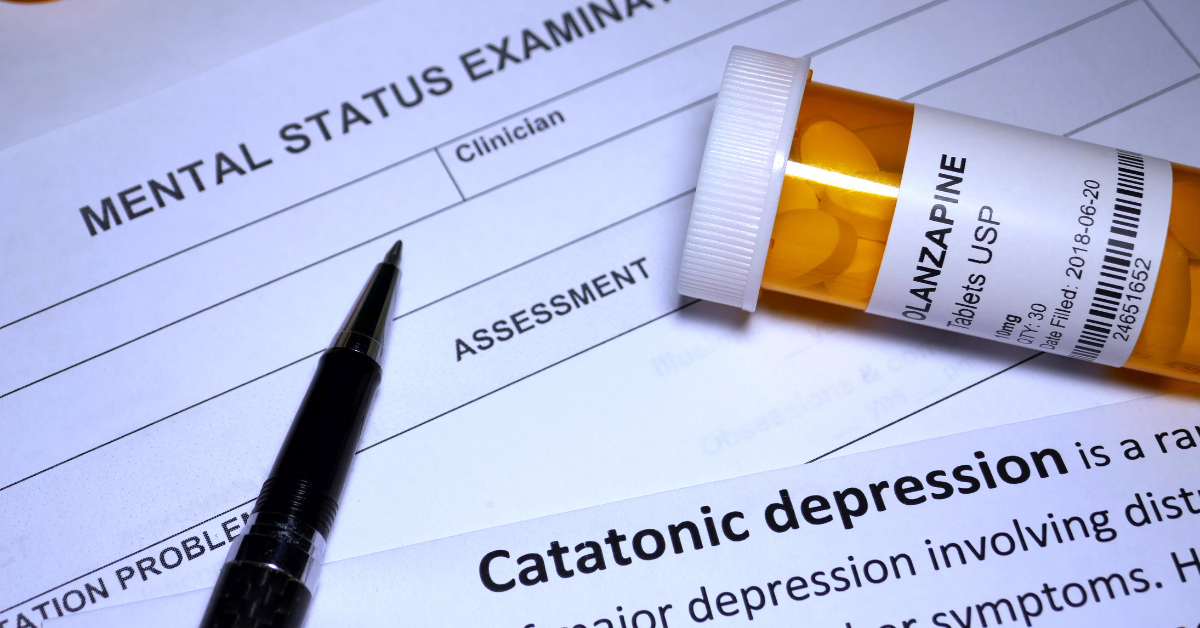
Catatonic depression is a challenging and debilitating disorder that merges the emotional burden of intense depression with physical manifestations such as immobility or restlessness. At Diamond Behavioral Health, we recognize the significant effect this disorder can have on both individuals and their families. Our caring team is committed to offering the assistance and tools necessary to manage this difficult situation. This blog seeks to illuminate catatonic depression, a condition frequently misinterpreted, by examining the causes, symptoms, and treatments for it and by providing hope and avenues for recovery.
What Is Catatonic Depression?
Catatonic depression is a rare but severe subtype of major depressive disorder characterized by both psychological and physical symptoms. While typical depression often involves feelings of sadness, fatigue, or lack of motivation, depression with catatonic features introduces unique motor-related symptoms.
People might undergo phases of total immobility, engage in repetitive actions, or demonstrate a deficiency in verbal communication, which can hinder their ability to connect with their environment. These symptoms not only amplify the emotional burden of depression but also create difficulties in everyday life, causing individuals to feel alone and misinterpreted.
What sets catatonic features of depression apart is the interplay between mental and physical health. This condition often blurs the line between psychological distress and neurological impairment, making it distinct from other depressive disorders. A person with catatonic depression may oscillate between states of stupor, where they appear frozen and unresponsive, to agitation, marked by purposeless and sometimes frantic movements.
Recognizing these patterns is crucial for accurate diagnosis and treatment, as the condition requires specific interventions that address both the emotional and physical components of this debilitating disorder.
Signs and Symptoms of Catatonic Depression
Catatonic depression is characterized by a mix of emotional and physical signs that can significantly affect a person’s ability to operate. In contrast to standard depressive disorders, this condition includes motor issues that can result in a person being immobile or performing repetitive, meaningless movements.
Realizing when someone is exhibiting these catatonic depression symptoms is essential for seeking timely and appropriate treatment. Untreated depression symptoms can worsen over time and lead to complications such as malnutrition or social withdrawal.
Symptoms can include:
- Motor immobility or stupor, where the person appears frozen or unresponsive.
- Repetitive or purposeless movements, such as pacing or hand gestures.
- A lack of verbal responses characterizes mutism.
- Echolalia (repeating another’s words) or echopraxia (mimicking another’s movements).
- Agitation or restlessness without an apparent external trigger.
- Posturing, where the person holds unusual poses for extended periods.
- Difficulty in performing basic self-care tasks, such as eating or drinking.
These symptoms of depressive catatonia can vary in intensity and may not appear all at once, making it vital to understand the full range of potential signs. If left untreated, the physical immobility and behavioral changes associated with catatonia in depression can escalate, further isolating the individual. Prompt intervention by mental health professionals can significantly improve outcomes and pave the way toward recovery.
Treatment Options for Catatonic Depression
Treating catatonic depression requires a multifaceted approach that addresses both the psychological and physical symptoms of the disorder. Medications are often the first line of treatment, with benzodiazepines being highly effective in relieving catatonic features of depression. These medications help reduce motor disturbances and can alleviate some individuals rapidly. In cases where benzodiazepines prove insufficient, other options, such as antidepressants or antipsychotics, may be introduced to manage the underlying depressive symptoms and restore emotional stability.
For severe cases of depression with catatonic features, transcranial magnetic stimulation (TMS) is emerging as a promising treatment option. TMS is a non-invasive procedure that uses magnetic fields to stimulate nerve cells in the brain, helping to regulate disrupted neural activity associated with catatonic depression. Unlike electroconvulsive therapy (ECT), TMS does not require sedation and has fewer side effects, making it a more accessible choice for many individuals. This cutting-edge treatment significantly reduces symptoms, particularly when combined with other therapies.
Supportive care is also critical during treatment to ensure physical well-being. Individuals experiencing catatonia in depression may require assistance with basic needs, such as eating, drinking, and maintaining personal hygiene, particularly during periods of immobility. Family members and caregivers are vital in creating a stable, supportive environment that encourages recovery. By combining medical interventions like TMS with emotional support, individuals with catatonic depression have a greater chance of regaining functionality and improving their quality of life.
Access Florida Depression Treatment at Diamond
At our Florida Behavioral Health Center, we are committed to helping individuals overcome the challenges of catatonic depression through our comprehensive depression treatment program. Our therapy services are tailored to address this condition’s emotional and physical aspects, providing compassionate care every step of the way. To learn more about catatonic depression and other mental health topics, explore our blog for valuable insights and resources.