
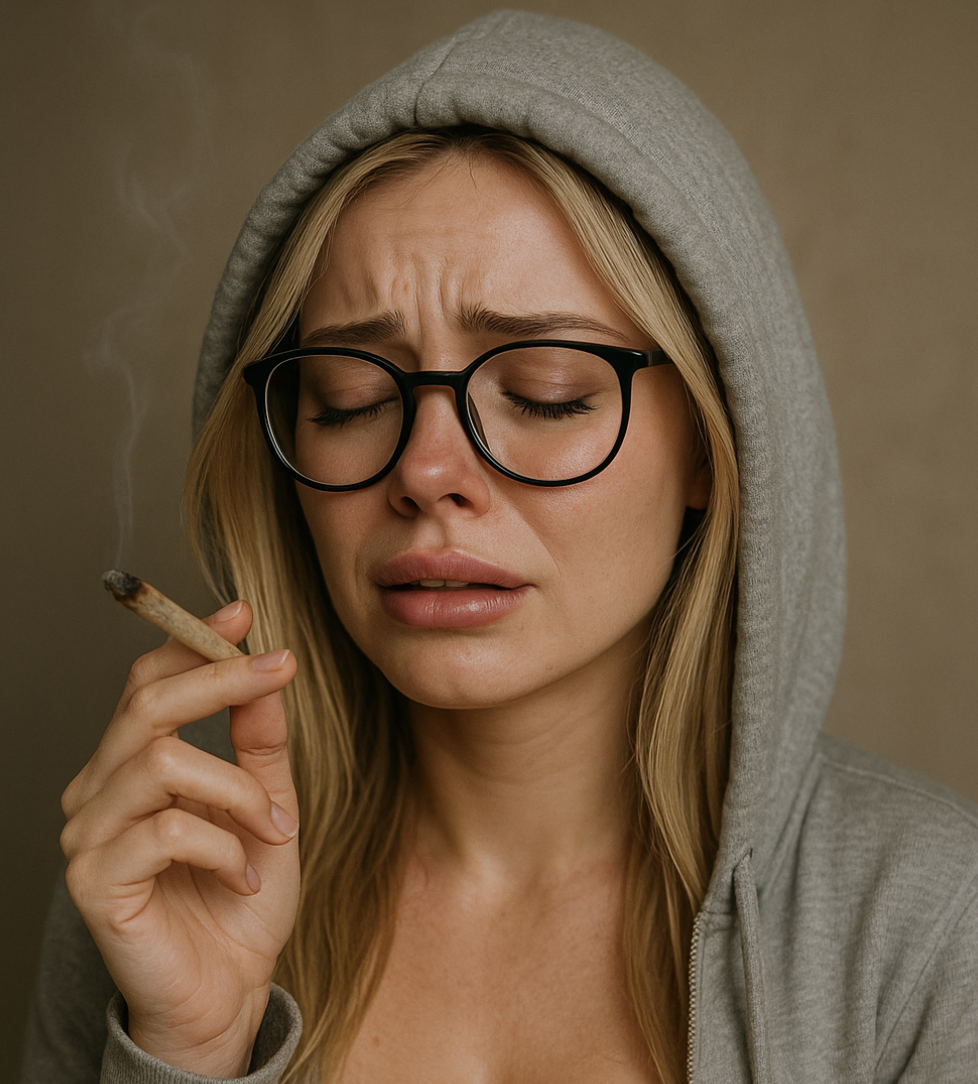
The Link Between Marijuana and Anxiety: Understanding the Complex Relationship
Marijuana has become one of the most widely used substances worldwide, especially as legalization spreads. Many people use it recreationally or for medical reasons, believing it to be a natural and safe way to relax or manage pain. However, the relationship between marijuana and mental health—particularly anxiety—is complicated and not fully understood. For some, marijuana can bring relief; for others, it can worsen anxiety or even trigger addiction and mental health struggles.
How Marijuana Affects Anxiety
Marijuana contains active compounds called cannabinoids, with THC (tetrahydrocannabinol) being the primary psychoactive ingredient responsible for the “high.” THC interacts with the brain’s endocannabinoid system, which helps regulate mood, stress, and emotions.
For some users, marijuana can produce feelings of calm and relaxation, temporarily easing anxiety symptoms. This is why some people turn to marijuana to cope with stress or social anxiety. However, this effect is not universal. In fact, for many, especially at higher doses, THC can increase anxiety, paranoia, or panic attacks.
The reason? THC can overstimulate certain brain receptors involved in fear and anxiety responses. This can cause a heightened sense of worry, racing thoughts, or even feelings of losing control. Individuals with a history of anxiety disorders or those prone to panic attacks may be particularly vulnerable to these negative effects.
Marijuana and Mental Health: A Two-Way Street
The connection between marijuana and mental health is complex and often goes both ways. People with anxiety or other mental health conditions may use marijuana to self-medicate, seeking relief from their symptoms. While this might provide temporary respite, it can mask underlying issues and delay professional treatment.
On the other hand, chronic or heavy marijuana use can contribute to the development or worsening of mental healthproblems. Studies suggest that frequent marijuana use, especially starting at a young age, may increase the risk of developing anxiety disorders, depression, and even psychosis in vulnerable individuals.
Addiction and Dependence: More Common Than You Might Think
Many assume marijuana is non-addictive, but research shows that about 9% of users develop some form of cannabis use disorder (addiction). This number rises to 17% for those who start using in adolescence.
Addiction to marijuana means a person feels unable to stop using despite negative consequences. They may use it to cope with anxiety but end up trapped in a cycle where marijuana use fuels anxiety, which then fuels more use—a dangerous loop.
Dependence can also lead to withdrawal symptoms such as irritability, sleep problems, and increased anxiety when trying to quit. This can make it even harder for someone struggling with both marijuana use and anxiety to break free without professional help.
What Can Be Done?
Understanding the link between marijuana and anxiety is vital for both users and healthcare providers. If you or someone you know uses marijuana to cope with anxiety, it’s important to recognize the potential risks and seek healthier alternatives.
Here are some steps to consider:
- Seek Professional Support: A mental health professional can help diagnose anxiety disorders and create a treatment plan that doesn’t rely on marijuana or other substances.
- Explore Alternative Therapies: Cognitive-behavioral therapy (CBT), mindfulness, and medication (when appropriate) have proven effective for managing anxiety.
- Be Mindful of Use: If marijuana is used, keep doses low and avoid high-THC strains that may worsen anxiety.
- Watch for Signs of Addiction: Difficulty stopping use, cravings, or using despite problems are red flags for cannabis use disorder.
Marijuana’s impact on anxiety is not one-size-fits-all. While some find relief, others may experience increased anxiety or even addiction. Mental health and addiction are deeply intertwined, and it’s important to approach marijuana use thoughtfully, especially for those with anxiety concerns.
If you’re struggling with anxiety or marijuana use, remember help is available. Reaching out to mental health professionals can provide the support needed to break the cycle and build healthier coping strategies. Your mental well-being matters—don’t let marijuana use stand in the way of living your best life.
Contact us online or call 844-525-2899 to speak with a member of our team today.