
How Stress and Anxiety Affect Your Eating Habits
Stress and anxiety aren’t just in your head—they’re in your stomach too. If you’ve ever found yourself reaching for a tub of ice cream after a long day or skipping meals when you’re overwhelmed, you’re not alone. Your emotions can directly impact the way you eat, and over time, those eating habits can affect your overall health and wellbeing.
Let’s start with the basics. When you’re stressed or anxious, your body reacts by releasing hormones like cortisol and adrenaline. These chemicals are part of your body’s fight-or-flight response. In small doses, they can be helpful. But when stress becomes chronic, those hormones stay elevated longer than they should. And that’s where the trouble begins—especially with food.
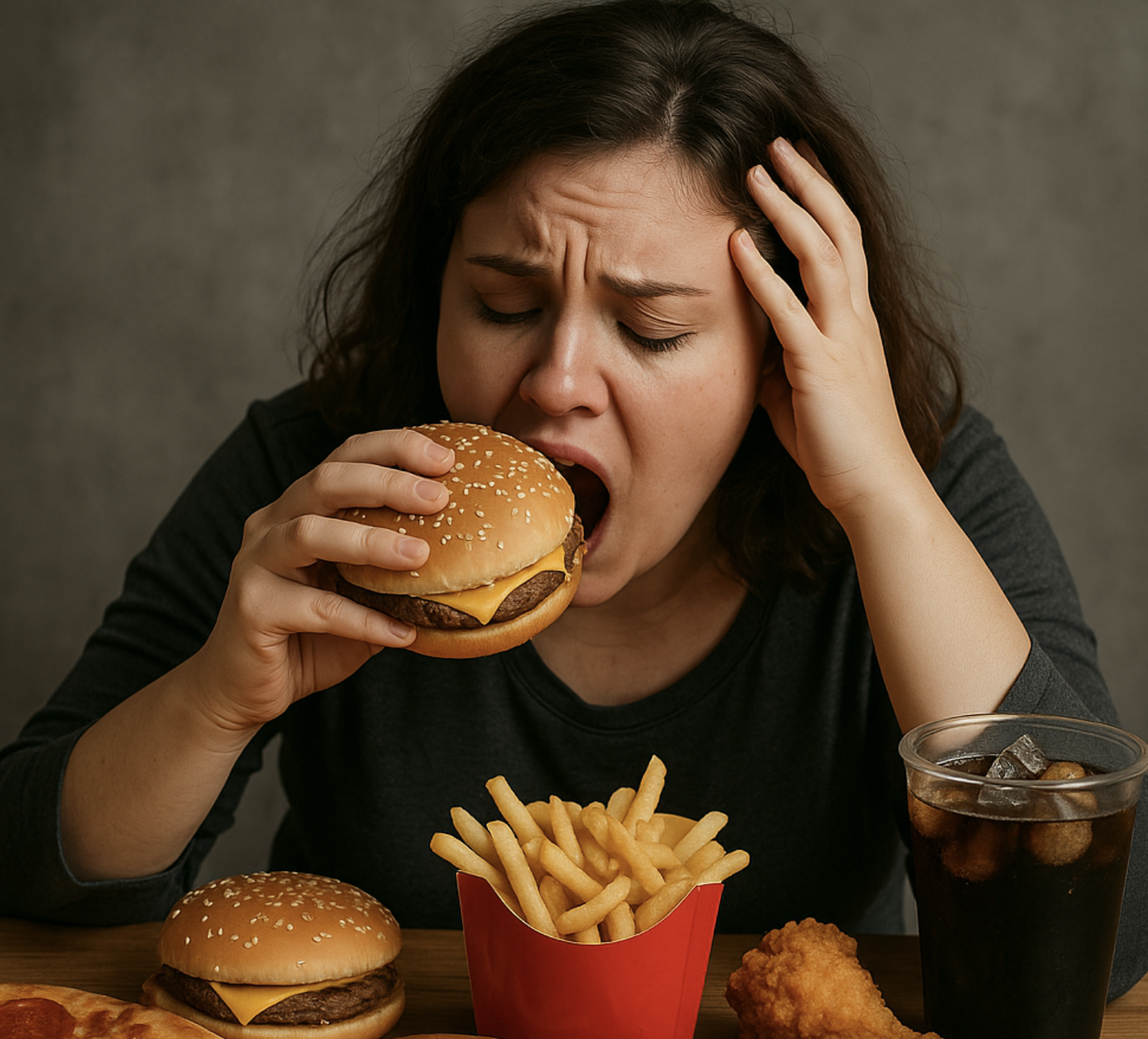
For some people, stress increases appetite. Ever heard of “stress eating” or “emotional eating”? That’s when your brain craves comfort food, usually something high in sugar, fat, or salt. Think cookies, chips, fast food, or anything that gives you a quick dopamine hit. It’s your brain’s way of self-soothing—trying to replace a negative feeling with a pleasant one. The problem is, these comfort foods rarely solve the issue and often leave you feeling worse afterward.
On the other hand, anxiety can suppress appetite. You may feel too anxious to eat, experience nausea, or have a knot in your stomach. Skipping meals may seem like no big deal in the moment, but over time, it can lead to fatigue, low blood sugar, and even more anxiety. It’s a cycle that can spiral quickly—anxiety causes you to not eat, and then not eating makes your anxiety worse.
Overeating and undereating are both forms of disordered eating that are often triggered by emotional stress. In either case, your body isn’t getting the nutrients it needs, which can mess with your energy levels, sleep, concentration, and mood. Ironically, trying to manage your emotions through food ends up creating new problems that make the original stress even harder to deal with.
It’s also worth noting that many people who deal with stress or anxiety develop irregular eating patterns. They might eat a lot late at night or binge on weekends. These patterns confuse the body’s natural hunger signals and can contribute to weight gain or nutritional deficiencies. If you constantly ignore hunger cues or eat when you’re not truly hungry, your body starts to lose track of when it needs fuel.
But it’s not just about how much or how little you eat—it’s also about what you choose to eat. Stress can lower your motivation to cook or prepare healthy meals, pushing you toward fast, convenient options. Over time, this can drain your physical health and make you feel sluggish, which feeds back into the anxiety and stress.
So what can you do about it?
Start by becoming more aware of your triggers. When you feel overwhelmed, pause and ask yourself if you’re really hungry or just reacting emotionally. Keep a journal to track how your moods and meals relate. It’s a simple step that can help you recognize patterns.
Also, try to establish regular eating times. Structure and routine can create a sense of stability, even when your mind feels chaotic. Opt for balanced meals with protein, fiber, and healthy fats to keep your energy steady.
And most importantly—take care of your mental health. Whether it’s talking to a therapist, practicing mindfulness, or just taking a walk, finding healthy outlets for stress is key. Because the more you manage your emotions in healthy ways, the less likely you are to use food as a crutch.
At the end of the day, food should nourish you, not control you. By understanding the connection between stress, anxiety, and eating, you can begin to break the cycle—and feel better both mentally and physically.
Contact us online or call 844-525-2899 to speak with a member of our team today.