
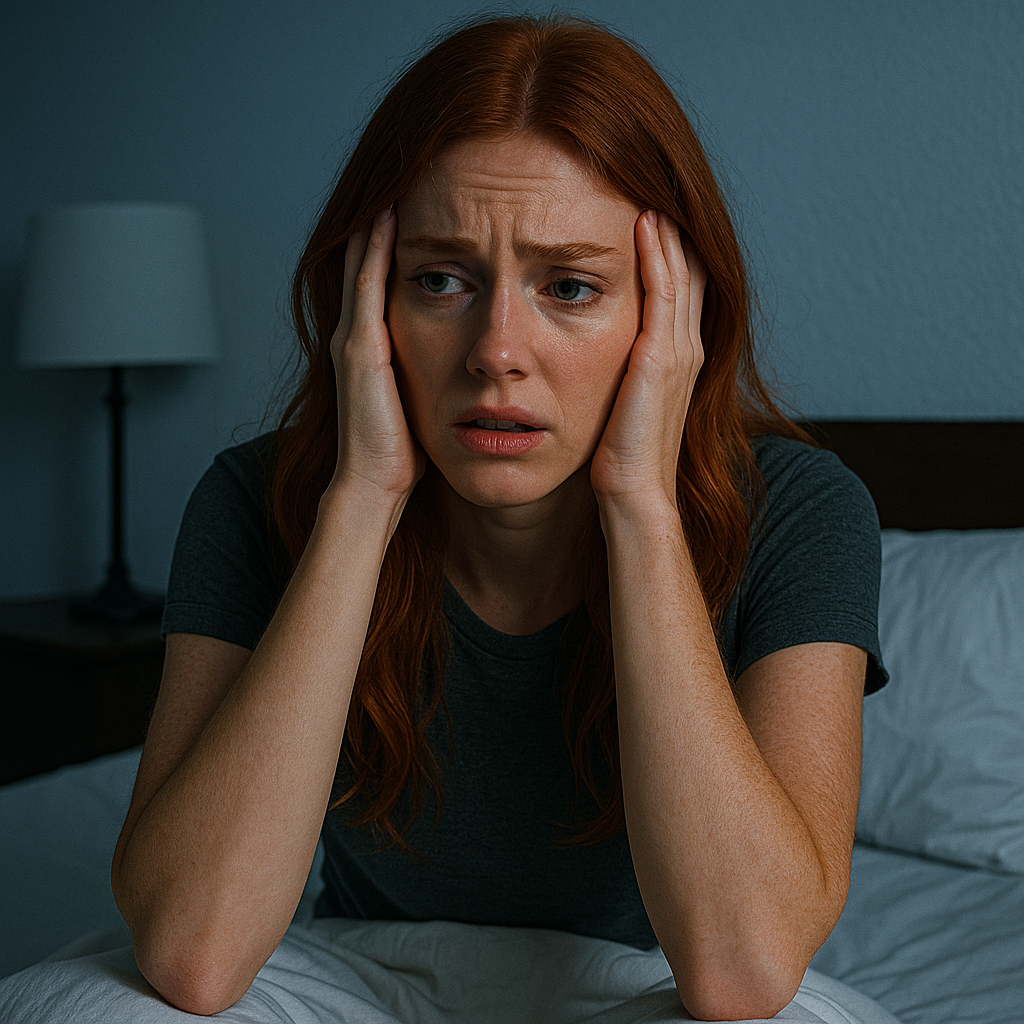
The Link Between Anxiety and Insomnia
Anxiety and insomnia often go hand in hand, creating a cycle that can be difficult to break. Many people struggling with anxiety find it hard to fall asleep, stay asleep, or feel rested, while ongoing sleep problems can intensify anxious thoughts and emotional distress. Understanding how these two conditions are connected can help explain why both feel so overwhelming when they occur together.
Anxiety keeps the brain in a state of heightened alertness. Even when the body is physically tired, an anxious mind may continue racing with worries, intrusive thoughts, or mental checklists. This makes it difficult to relax enough for sleep. Instead of winding down at night, the nervous system stays activated, interpreting bedtime as another moment to stay on guard rather than rest.
Insomnia caused by anxiety often shows up as trouble falling asleep. People may lie awake replaying conversations, worrying about the next day, or imagining worst-case scenarios. Others fall asleep but wake up frequently throughout the night, unable to return to rest because their thoughts immediately start racing again. Over time, this disrupted sleep becomes a regular pattern.
Lack of sleep then feeds back into anxiety. When the brain is sleep-deprived, it becomes more sensitive to stress and less capable of regulating emotions. Small problems may feel overwhelming, concentration becomes harder, and anxious thoughts can feel louder and more convincing. This creates a loop where anxiety disrupts sleep, and poor sleep worsens anxiety.
Physical symptoms also connect the two. Anxiety-related insomnia can come with a racing heart, muscle tension, restlessness, or shallow breathing at night. These physical sensations can make sleep feel uncomfortable or even unsafe, reinforcing fear around bedtime itself. Eventually, people may begin to associate sleep with frustration rather than relief.
Behavioral habits can unintentionally strengthen the connection between anxiety and insomnia. Spending excessive time in bed awake, checking the clock repeatedly, or worrying about “not getting enough sleep” can increase stress at night. Over time, the bed becomes linked with anxiety rather than rest, making insomnia more persistent.
The emotional toll of ongoing anxiety and insomnia can be significant. Chronic exhaustion often leads to irritability, low mood, reduced motivation, and feelings of helplessness. People may begin to dread nighttime while also struggling to function during the day, which can affect work, relationships, and overall quality of life.
The good news is that anxiety-related insomnia is treatable. Learning how anxiety affects sleep is the first step toward restoring healthier rest patterns. With the right strategies and support, many people are able to calm their nervous systems, improve sleep quality, and reduce anxiety’s grip on their daily lives.
If anxiety and insomnia have started to feel like a constant cycle, you’re not alone—and you don’t have to manage it by yourself. Addressing both issues together can lead to better sleep, clearer thinking, and a greater sense of balance and well-being.
Contact us online or call 844-525-2899 to speak with a member of our team today.