
How Casinos Use Psychology to Encourage Overspending
Casinos are carefully designed environments where nearly every detail is intentional. From the lighting and sounds to the layout and rewards systems, casinos rely on psychological principles to keep people playing longer and spending more than they planned. Understanding these tactics helps explain why overspending in casinos can happen so easily, even to people who don’t intend to gamble excessively.
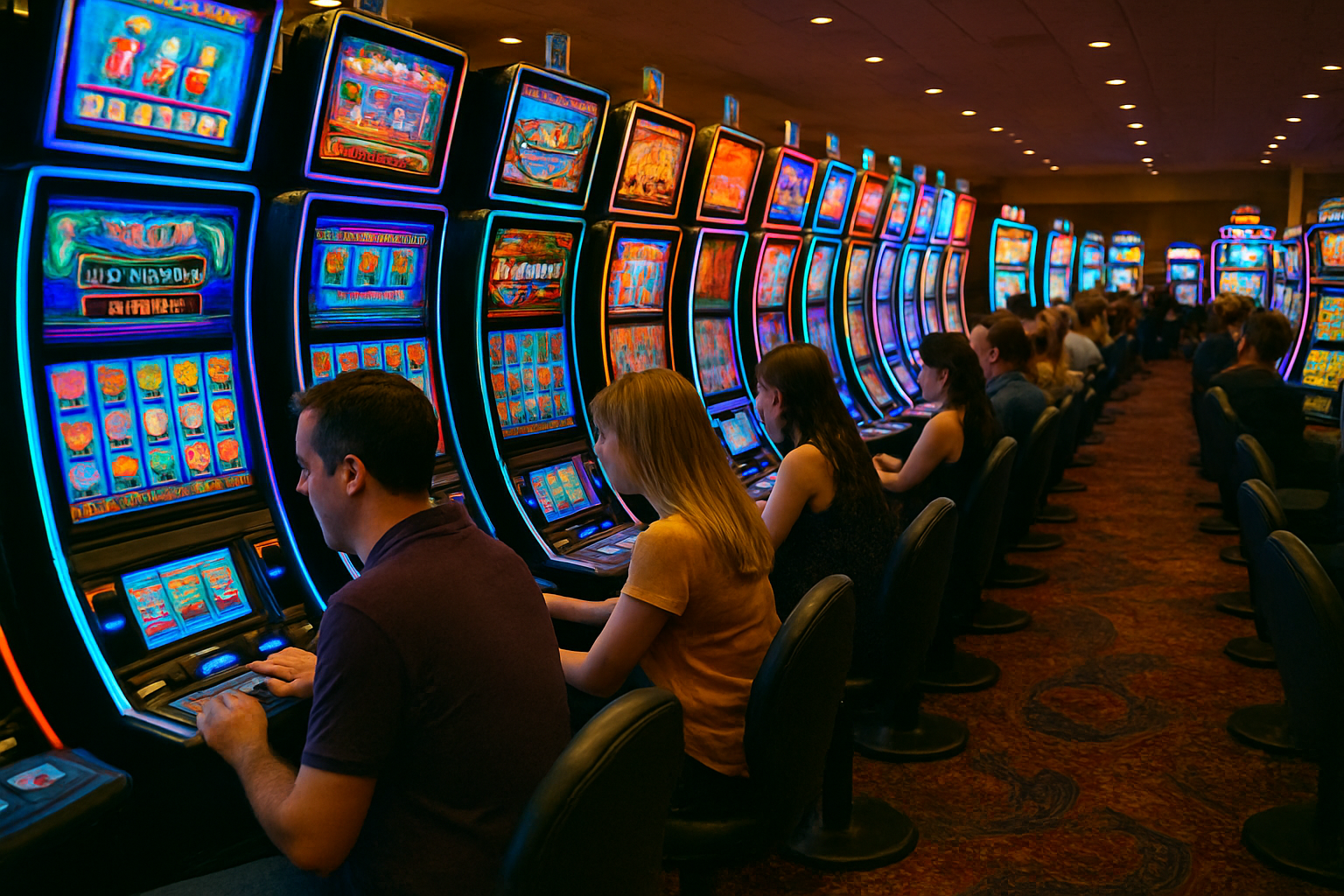
One of the most powerful tools casinos use is sensory stimulation. Bright lights, flashing machines, upbeat music, and celebratory sounds are designed to excite the brain and trigger dopamine release. Wins are highlighted with sounds and visuals, while losses are kept quiet and subtle. This imbalance trains the brain to focus on the excitement rather than the money being lost.
Casinos also eliminate common cues that signal time passing. The absence of clocks and windows keeps players disconnected from the outside world. Without reminders of time, it becomes easier to gamble longer than intended. This time distortion reduces natural stopping points and encourages continued spending.
Another key psychological tactic is variable rewards. Slot machines and many table games rely on unpredictable outcomes, which are especially addictive for the brain. Near-misses—when a result almost wins—can trigger the same excitement as an actual win. This unpredictability keeps players chasing the next outcome, even after repeated losses.
Casinos are also designed to minimize the feeling of spending real money. Chips, cards, and digital credits feel less tangible than cash, making losses feel less painful in the moment. This “cashless” effect lowers psychological resistance to spending and can lead to higher bets and longer play sessions.
Free perks and rewards further reinforce overspending. Complimentary drinks, hotel rooms, meals, and loyalty programs create a sense of obligation or value, even though these incentives are often small compared to what is spent gambling. These rewards make continued gambling feel justified or even necessary to “get your money’s worth.”
The layout of casinos also plays a role. Games are placed close together, exits are less visible, and high-traffic areas are filled with betting opportunities. This design reduces friction between decisions, making it easy to move from one game to another without pausing to reflect.
Emotional manipulation is another factor. Casinos encourage the idea that gambling is glamorous, social, and rewarding. When players experience losses, feelings of frustration or disappointment may push them to gamble more in an attempt to recover emotionally or financially, a pattern known as chasing losses.
Over time, these psychological strategies can erode self-control, especially for individuals already vulnerable to addiction, stress, or impulsivity. What begins as entertainment can gradually turn into overspending and harmful behavior without the person fully realizing how it happened.
Understanding how casinos use psychology to encourage overspending is not about blaming individuals—it’s about awareness. These environments are engineered to influence behavior. Recognizing the tactics can help people make more informed choices and seek support if gambling starts to feel difficult to control.
Contact us online or call 844-525-2899 to speak with a member of our team today.