
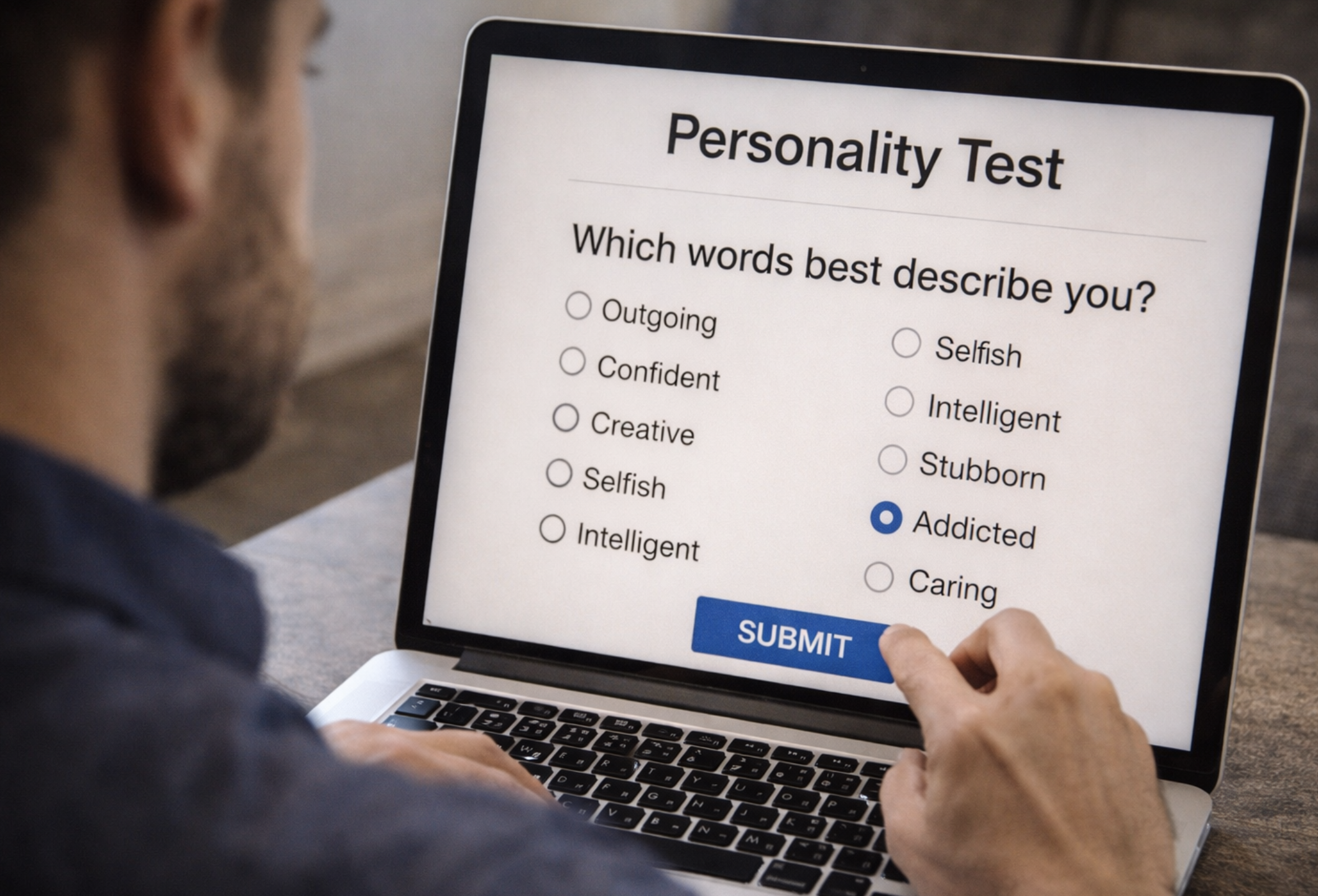
Gambling behavior is influenced by many factors, including environment, stress, access, and mental health. Personality type can also play a meaningful role in how likely someone is to develop risky gambling habits. While no single personality guarantees a gambling problem, certain traits may increase vulnerability, especially when combined with stress or easy access to betting.
Understanding how personality traits interact with gambling can help explain why some people struggle more than others.
Impulsivity and Risk-Taking Tendencies
Impulsivity is one of the strongest personality traits linked to gambling risk. People who act quickly without fully considering consequences may be more likely to chase losses, place larger bets, or gamble longer than intended. The fast-paced nature of gambling can feel especially appealing to individuals who seek immediate rewards.
Risk-taking personalities may also underestimate the downsides of gambling or overestimate their ability to win, increasing exposure to harm over time.
Sensation Seeking and the Need for Stimulation
Some individuals naturally crave excitement, novelty, and stimulation. Gambling can provide a powerful rush through uncertainty, anticipation, and the possibility of reward. For sensation seekers, this emotional high can become reinforcing, leading to repeated gambling despite negative outcomes.
When gambling becomes a primary source of excitement, it can crowd out healthier ways of meeting stimulation needs.
Emotional Sensitivity and Stress Reactivity
People who are highly sensitive to stress or emotions may be more vulnerable to gambling as a coping mechanism. Gambling can temporarily distract from anxiety, sadness, boredom, or frustration. Over time, this emotional reliance can increase risk, especially during periods of heightened stress.
Rather than being driven by thrill, these individuals may gamble to escape uncomfortable feelings or regain a sense of control.
Perfectionism and Control-Oriented Traits
Perfectionistic or control-focused personalities may also face unique risks. Gambling can create the illusion of mastery through strategies, odds analysis, or systems. Losses may feel like personal failures, motivating continued gambling to “fix” mistakes or prove competence.
This mindset can fuel chasing losses and difficulty stepping away, even when gambling becomes harmful.
Optimism Bias and Overconfidence
Some personality types tend to be overly optimistic or confident in their abilities. This can lead to beliefs that losses are temporary or that a win is inevitable. Overconfidence may cause individuals to ignore warning signs or dismiss early financial consequences.
This optimism bias can delay recognition of a developing gambling problem.
Personality Is a Factor, Not a Destiny
Personality traits influence behavior, but they do not determine outcomes. Many people with risk-related traits never develop gambling problems, while others without obvious risk traits may still struggle. Environment, access, stress, and coping skills all play critical roles.
Awareness is key. Understanding personal tendencies allows individuals to recognize vulnerabilities and make more intentional choices.
Using Self-Awareness to Reduce Risk
Knowing how personality traits interact with gambling can support prevention and recovery. Self-awareness helps people set boundaries, avoid triggers, and choose healthier coping strategies. It also reduces shame by reframing gambling risk as a pattern to understand rather than a personal flaw.
Personality may influence gambling risk, but it does not define someone’s future. With insight and support, individuals can reduce harm and build healthier relationships with risk, reward, and decision-making.
Contact us online or call 844-525-2899 to speak with a member of our team today.