
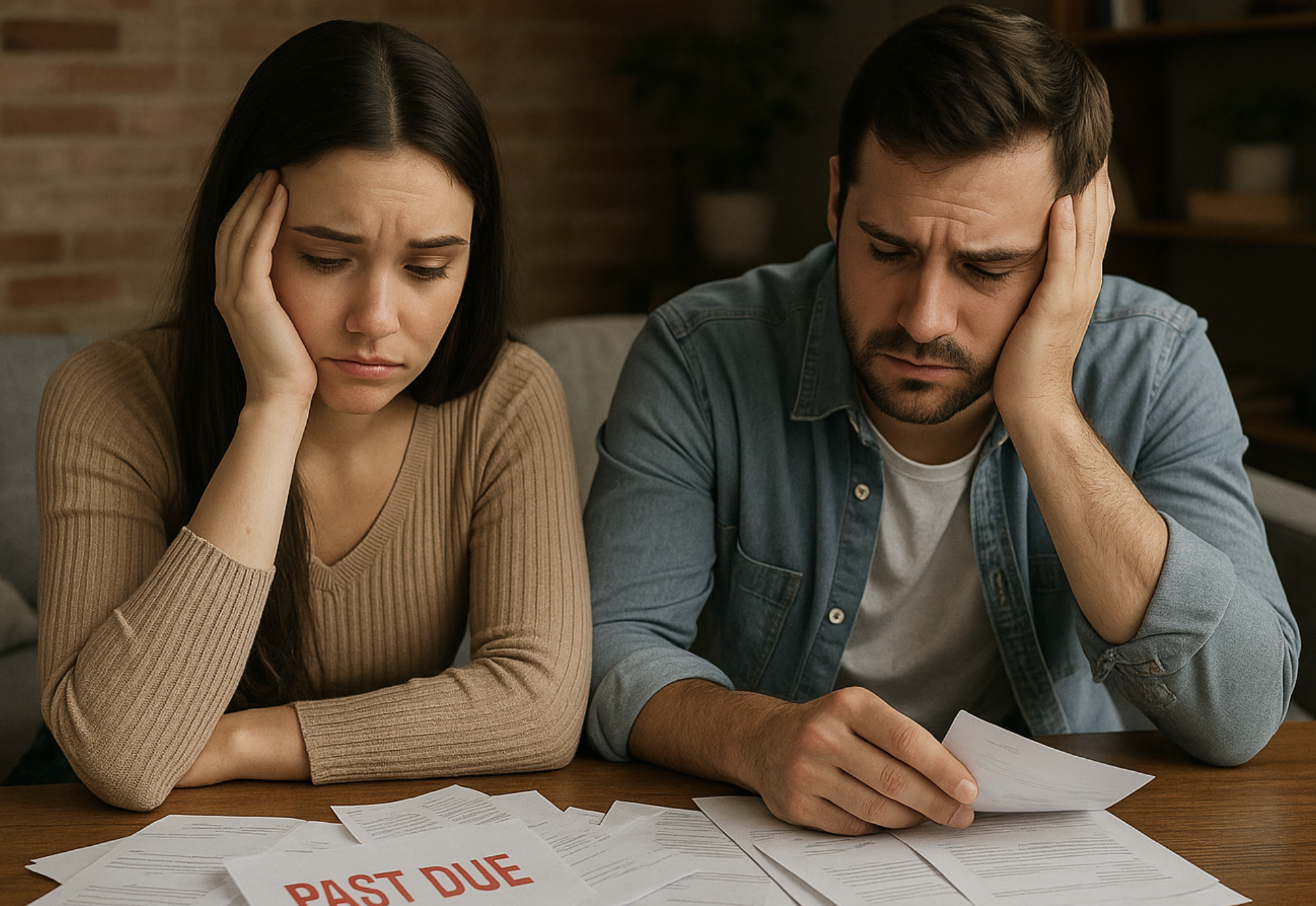
Gambling and financial stress feed into each other in one of the most damaging cycles a person can experience. At first, gambling might feel like a way to escape money problems or even a way to “fix” them. But over time, gambling creates more financial pressure, which then fuels the urge to gamble again. The cycle becomes harder to break the longer it continues—but with awareness and support, you can take back control.
One of the biggest connections between gambling and financial stress is the illusion of a solution. When you’re feeling overwhelmed by bills, debt, or money problems, gambling offers a temporary burst of hope. A win feels like relief. A near-win feels like a second chance. Even losing can convince you that a comeback is right around the corner. But the reality is that gambling drains money faster than it ever returns it, turning stress into panic.
As financial stress grows, many people fall into chasing losses—trying to win back what they’ve lost, believing the next bet will “fix everything.” This mindset is dangerous. It leads to bigger bets, riskier decisions, and even more financial damage. The chase doesn’t stop until something breaks: your finances, your relationships, your emotional stability, or all three.
The emotional side is just as heavy. Financial stress creates shame, anxiety, guilt, and fear—feelings that push many people back toward gambling as an escape. That escape is short-lived, and the stress always hits harder when the gambling session ends. This emotional rollercoaster keeps the cycle alive.
Another layer of the cycle is secrecy. Many people hide their gambling, their debt, or their stress from loved ones. They may borrow money, use credit cards, dip into savings, or take loans they can’t afford. This secrecy increases pressure, isolates you emotionally, and makes financial recovery feel impossible.
Breaking the cycle starts with understanding one crucial truth: gambling will never solve financial stress—it only multiplies it. Healing begins when you confront the problem with honesty and compassion, not shame.
The first step is acknowledging the emotional triggers behind your gambling. Are you overwhelmed? Lonely? Worried about bills? Feeling hopeless? Identifying what pushes you toward gambling helps you build healthier responses to stress.
Next, consider creating a financial safety plan. This might include limiting access to credit cards, setting spending boundaries, tracking your expenses, or involving a trusted friend to help you stay accountable. Financial stability doesn’t happen overnight, but small, consistent steps can bring powerful relief.
Therapy or outpatient treatment can help you understand the emotional roots of gambling and teach healthier coping tools. Instead of using gambling to escape stress, you learn to manage your emotions in a way that builds confidence instead of tearing it down. Stress becomes something you face—not something you avoid.
Support groups can also make a huge difference. Talking with people who understand gambling’s grip reminds you that you’re not alone, and it gives you hope at moments when you feel stuck.
Most importantly, breaking the cycle means rebuilding trust—with yourself, your finances, and your future. It takes time, patience, and commitment, but recovery is absolutely possible. You can regain stability, rebuild your confidence, and create a healthier relationship with money and stress.
Life is short, and you deserve a future that isn’t controlled by urges, debt, or shame. Breaking the cycle frees you to rebuild your life with clarity, strength, and hope—one step, one choice, and one day at a time.
Contact us online or call 844-525-2899 to speak with a member of our team today.