
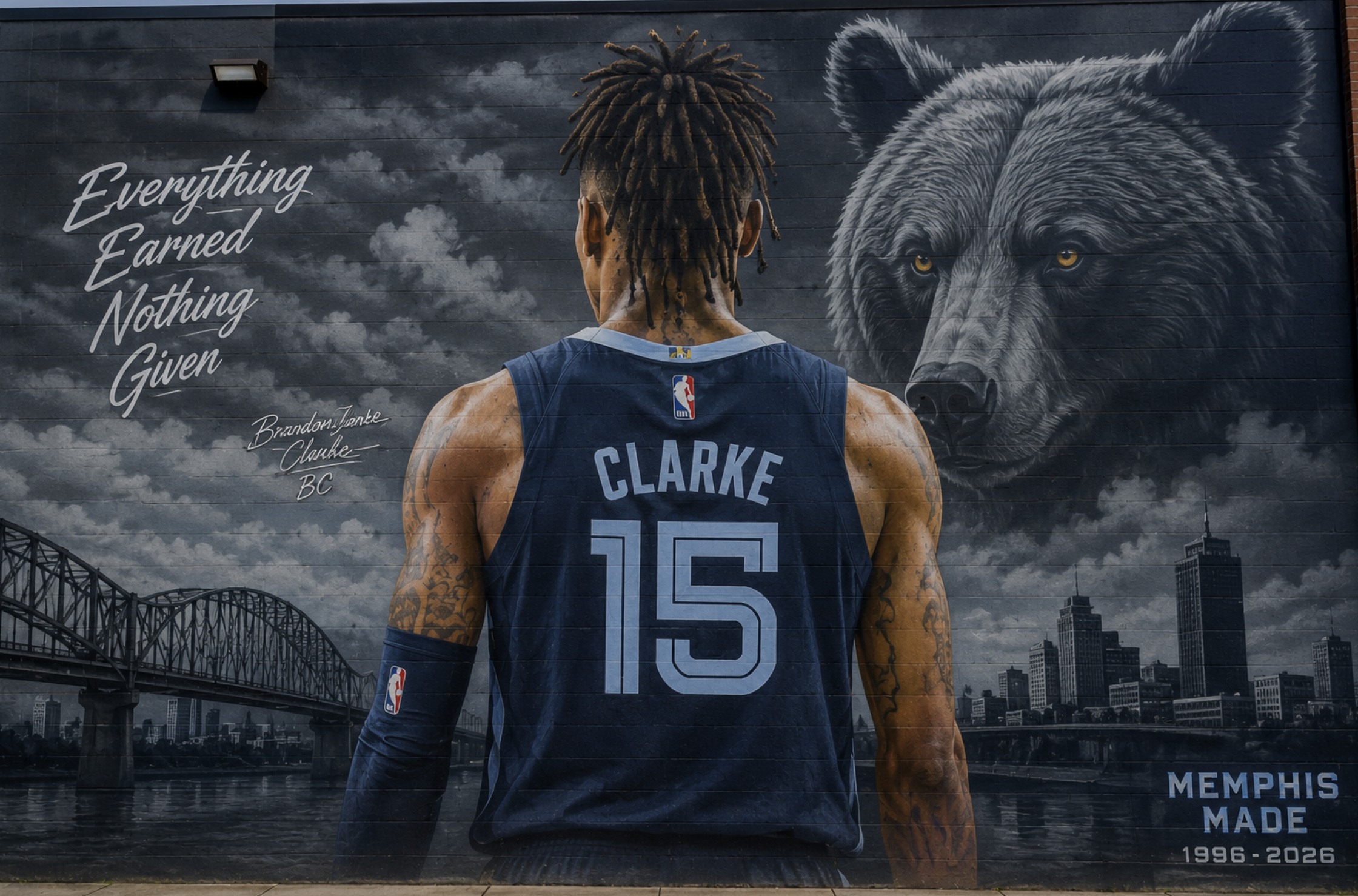
The death of Brandon Clarke at only 29 years old has left teammates, fans, friends, and the entire basketball community grieving a devastating loss.
Reports state that Clarke’s death is being investigated as a possible overdose, though the official cause has not yet been confirmed. Since the news broke, tributes from around the NBA have poured in from teammates, organizations, and fans mourning someone many described as kind, supportive, and positive.
The Memphis Grizzlies released an emotional statement calling Clarke an outstanding teammate and an even better person. His agency described him as the gentlest soul.
Those reactions show how grief extends far beyond statistics or headlines. When someone dies unexpectedly, the pain ripples outward through families, friendships, locker rooms, and communities.
For NBA teammates, grief can be especially difficult because teams often become families. Players spend years traveling together, practicing together, and sharing emotional highs and lows. Losing someone suddenly can leave teammates in shock.
Fans are grieving too. Many people watched Clarke grow from a promising college player into a respected NBA contributor. He became known for hustle, energy, and passion on the court.
What makes losses like this especially painful is the age involved. At 29 years old, many people feel someone still has so much life ahead of them. That reality creates an emotional response that goes beyond sports.
Grief can affect people differently. Some react with sadness, others with anger, confusion, or disbelief. Social media often becomes filled with emotional tributes because people struggle to process sudden loss in real time.
Situations involving possible overdose deaths can also create complicated emotions for loved ones. Families may deal not only with heartbreak, but also unanswered questions, public attention, and feelings of guilt or regret.
One important reminder during moments like this is that grieving people need compassion. Public speculation can sometimes make these situations even harder for families and close friends.
At the center of every tragic headline is a real person whose absence leaves a permanent hole in the lives of people who loved them.
Brandon Clarke’s death is not just a basketball story. It is a human story about grief, loss, and the painful reminder of how fragile life can be.
FAQ
Why has Brandon Clarke’s death affected so many people?
Fans, teammates, and members of the NBA community saw him as a talented player and a genuinely good person.
How do teams cope after losing a player?
Teams often rely on counseling, support systems, memorials, and emotional support from teammates and staff.
Why does sudden loss feel so shocking?
Unexpected deaths leave people without time to emotionally prepare, which can intensify grief.
How can people support someone who is grieving?
Listening, checking in consistently, and simply being present can make a major difference.
Why is compassion important during tragedies?
Families and loved ones are often dealing with overwhelming pain, and public speculation can make grieving even harder.