
Why Recovery Is About More Than Just Sobriety
For many people, the word “recovery” is often associated with one goal: achieving sobriety. While stopping the use of drugs or alcohol is a critical step in the healing process, true recovery extends far beyond simply abstaining from substances. Long-term recovery involves rebuilding a healthy, meaningful, and fulfilling life that supports emotional, mental, physical, and spiritual well-being.
Addiction affects every area of a person’s life. It can impact relationships, physical health, self-esteem, mental health, career goals, finances, and overall quality of life. Because addiction touches so many aspects of life, recovery must address more than just substance use if lasting healing is to occur.
Understanding recovery as a comprehensive process rather than a single outcome can help individuals create a stronger foundation for long-term success and personal growth.
Sobriety Is the Beginning, Not the Destination
However, simply removing drugs or alcohol does not automatically resolve the challenges that may have contributed to substance use in the first place.
Many individuals entering recovery continue to face:
- Anxiety
- Depression
- Trauma
- Relationship difficulties
- Low self-esteem
- Chronic stress
- Unhealthy coping skills
- Emotional regulation challenges
Without addressing these underlying issues, maintaining sobriety can become significantly more difficult.
Recovery involves learning how to navigate life without relying on substances while developing healthier ways to manage emotions, stress, and personal challenges.
Healing Mental Health Is a Major Part of Recovery
Mental health and addiction are often closely connected. Many individuals struggling with substance use disorders also experience conditions such as anxiety, depression, post-traumatic stress disorder (PTSD), or other emotional challenges.
In some cases, substances are used as a way to temporarily escape painful thoughts or feelings. While this may provide short-term relief, it often creates additional problems over time.
Long-term recovery frequently involves:
- Identifying mental health concerns
- Learning healthy coping strategies
- Developing emotional awareness
- Processing difficult experiences
- Building resilience
Addressing mental health needs can significantly improve both overall well-being and recovery outcomes.
Rebuilding Physical Health
Addiction can place tremendous strain on the body. Depending on the substance and duration of use, individuals may experience problems related to sleep, nutrition, energy levels, cardiovascular health, and overall physical functioning.
Recovery provides an opportunity to restore physical wellness through:
- Regular exercise
- Balanced nutrition
- Improved sleep habits
- Routine medical care
- Stress management practices
Physical health and mental health are deeply connected. As the body begins to heal, many individuals notice improvements in mood, energy, focus, and emotional stability.
Taking care of physical health becomes an important part of maintaining recovery over the long term.
Learning New Ways to Cope
One of the most important aspects of recovery is developing healthier coping mechanisms.
Substance use often becomes a person’s primary strategy for managing difficult emotions or stressful situations. When substances are removed, individuals must learn new ways to handle life’s challenges.
Healthy coping skills may include:
- Exercise
- Meditation
- Journaling
- Therapy
- Creative activities
- Spending time in nature
- Building supportive relationships
- Practicing mindfulness
These tools help individuals manage stress and emotional discomfort without returning to old patterns of substance use.
Repairing Relationships
Addiction often affects family members, friends, romantic partners, and coworkers. Trust may be damaged, communication may break down, and relationships may become strained.
Recovery frequently involves rebuilding these connections over time.
This process may include:
- Taking accountability for past actions
- Making amends when appropriate
- Improving communication skills
- Establishing healthy boundaries
- Rebuilding trust through consistent behavior
Relationship healing can be challenging, but it often becomes one of the most rewarding parts of recovery.
Strong support systems can provide encouragement, accountability, and a sense of belonging throughout the recovery journey.
Developing a New Sense of Identity
Many people entering recovery struggle with questions about who they are without substances.
Addiction can become deeply intertwined with a person’s identity, social life, routines, and daily activities. Once substance use ends, individuals may feel uncertain about their purpose or direction.
Recovery creates an opportunity to explore:
- Personal values
- Interests and hobbies
- Career goals
- Educational opportunities
- Meaningful relationships
- Life purpose
As individuals discover new passions and strengths, they often develop a stronger sense of self-confidence and fulfillment.
Recovery is not simply about leaving an old life behind—it is about creating a new one.
Building Emotional Resilience
Life will always include stress, disappointment, loss, and uncertainty. Recovery does not eliminate these experiences, but it can help individuals develop the skills needed to navigate them more effectively.
Emotional resilience involves:
- Managing difficult emotions
- Adapting to change
- Learning from setbacks
- Maintaining hope during challenges
- Practicing self-compassion
Over time, individuals often discover they are capable of handling situations that once felt overwhelming without relying on substances.
This growing confidence can strengthen long-term recovery and overall well-being.
Finding Purpose and Meaning
Many individuals describe purpose as a powerful motivator in recovery.
When people feel connected to meaningful goals and values, they often experience greater satisfaction and motivation to maintain healthy habits.
Purpose may come from:
- Family relationships
- Career aspirations
- Volunteer work
- Creative pursuits
- Spiritual growth
- Helping others in recovery
- Personal development
Having something meaningful to work toward can provide direction and encouragement during difficult times.
Purpose often becomes one of the strongest protective factors against relapse.
Recovery Is an Ongoing Process
Recovery is not a finish line that someone crosses once and never thinks about again. It is an ongoing process of growth, self-discovery, and healing.
Throughout recovery, individuals continue learning about themselves and refining the strategies that support their well-being.
Some days may feel easier than others, and setbacks can occur. However, recovery is not defined by perfection. It is defined by continued effort, resilience, and a commitment to personal growth.
Viewing recovery as a lifelong journey rather than a single achievement can help individuals maintain realistic expectations and celebrate progress along the way.
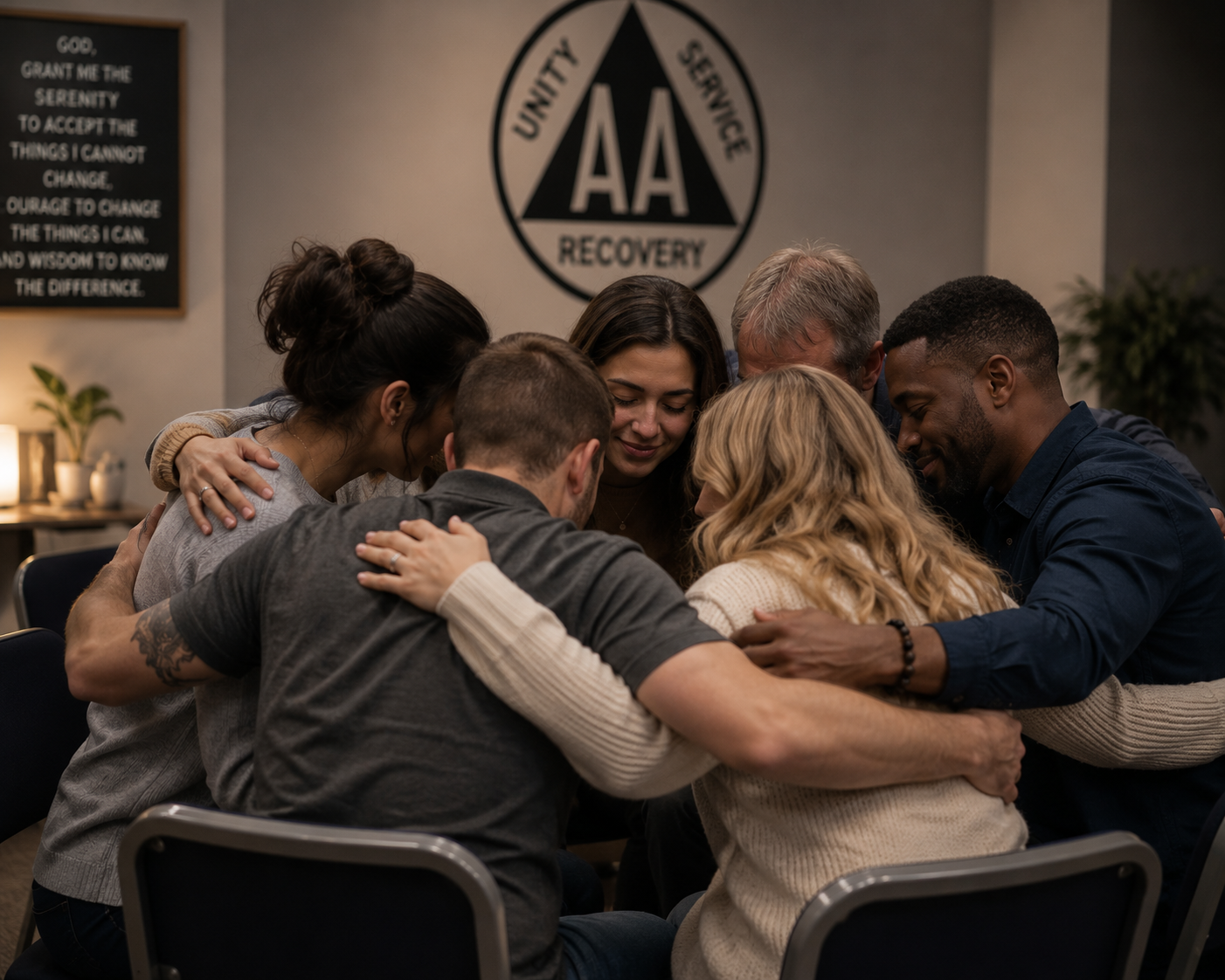
The Importance of Community
No one should have to navigate recovery alone.
Supportive communities provide:
- Encouragement
- Accountability
- Understanding
- Shared experiences
- Hope during difficult times
Whether through support groups, therapy, recovery programs, family support, or peer networks, connection plays a vital role in long-term success.
Many people discover that recovery becomes more sustainable when they surround themselves with individuals who genuinely understand their experiences and support their goals.
Recovery Means Building a Better Life
At its core, recovery is about creating a life that no longer requires escape through substances. It is about healing physically, emotionally, mentally, and socially while developing the tools needed to thrive.
Sobriety is a vital foundation, but true recovery goes beyond abstinence. It involves building healthy relationships, finding purpose, managing stress effectively, improving mental health, and creating a meaningful future.
When individuals focus on these broader aspects of healing, recovery becomes more than simply avoiding substances—it becomes an opportunity for transformation and growth.
Frequently Asked Questions
Is sobriety the same as recovery?
No. Sobriety refers to abstaining from drugs or alcohol, while recovery involves broader personal growth, healing, and lifestyle changes.
Why is mental health important in recovery?
Mental health challenges often contribute to substance use. Addressing these issues can improve long-term recovery outcomes and overall well-being.
Can someone be sober but not fully in recovery?
Why are relationships important during recovery?
Healthy relationships provide support, accountability, and connection, all of which can strengthen long-term recovery.
What does successful recovery look like?
Successful recovery looks different for everyone but often includes improved mental health, healthier relationships, personal growth, meaningful goals, and sustained sobriety.
Contact us online or call 844-525-2899 to speak with a member of our team today.