
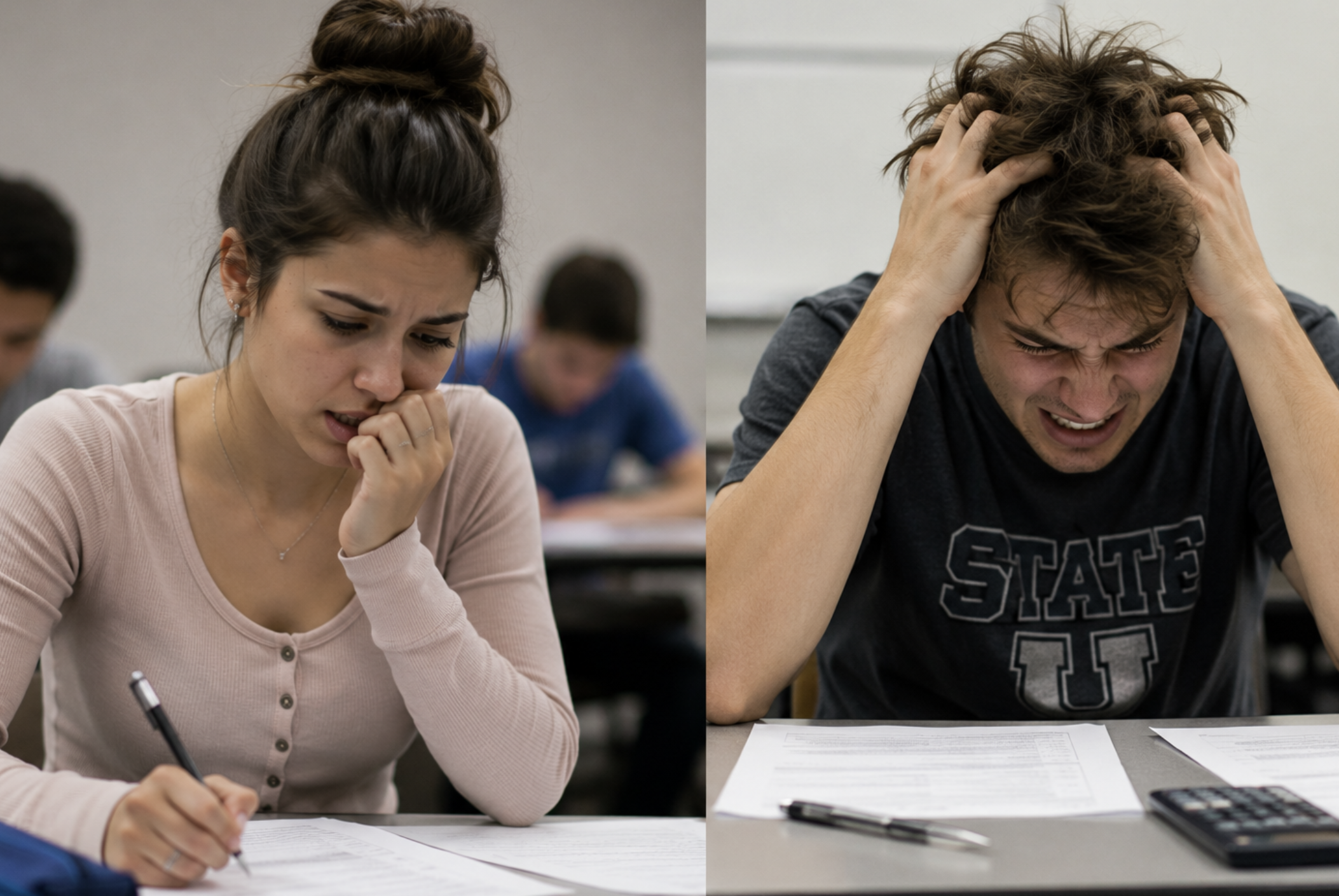
Most people use the words stress and anxiety interchangeably, but they are not the same thing. While both can produce similar emotional and physical symptoms, they have different causes, durations, and impacts on daily life. Understanding the difference is important because it can help you recognize when normal stress has become something that may require additional support.
Everyone experiences stress and anxiety from time to time. A busy work schedule, financial concerns, family responsibilities, or major life changes can all create emotional strain. However, when these feelings become persistent, overwhelming, or begin interfering with daily functioning, it’s important to understand what may be happening and how to respond.
What Is Stress?
Stress is the body’s natural response to a challenge or demand. It occurs when you perceive that a situation requires more effort or resources than you currently have available.
Stress can be triggered by both positive and negative events, including:
- Starting a new job
- Meeting important deadlines
- Moving to a new home
- Financial difficulties
- Caring for a loved one
- Relationship conflicts
- Preparing for an exam
- Planning a wedding
In many situations, stress is temporary. Once the stressful event passes or the problem is resolved, stress levels often decrease.
In fact, short-term stress can sometimes improve performance by increasing focus, motivation, and alertness.
Common Symptoms of Stress
Stress affects both the mind and body.
Emotional symptoms may include:
- Feeling overwhelmed
- Irritability
- Frustration
- Difficulty concentrating
- Mood changes
- Feeling mentally exhausted
Physical symptoms often include:
- Headaches
- Muscle tension
- Neck or shoulder pain
- Fatigue
- Trouble sleeping
- Increased heart rate
- Digestive discomfort
Behavioral changes may involve:
- Eating more or less than usual
- Procrastination
- Increased caffeine consumption
- Withdrawing from others
- Reduced productivity
Because stress often has a clear cause, symptoms usually improve once the situation changes or healthy coping strategies are used.
What Is Anxiety?
Anxiety is a feeling of fear, worry, or nervousness that may occur even when there is no immediate threat.
Occasional anxiety is a normal part of life. For example, many people feel anxious before giving a presentation, attending a job interview, or taking an important exam.
However, anxiety becomes more concerning when it is excessive, difficult to control, or continues long after the stressful event has passed.
Unlike stress, anxiety may persist even when there is no obvious reason to feel worried.
Common Symptoms of Anxiety
Many anxiety symptoms overlap with stress, but they are often more persistent.
Emotional symptoms include:
- Excessive worrying
- Feeling on edge
- Difficulty relaxing
- Fear that something bad will happen
- Restlessness
- Irritability
Physical symptoms may include:
- Rapid heartbeat
- Shortness of breath
- Sweating
- Trembling
- Muscle tension
- Upset stomach
- Dizziness
- Difficulty sleeping
Some individuals may also experience panic attacks, which involve sudden episodes of intense fear accompanied by physical symptoms such as chest tightness, rapid breathing, dizziness, and feelings of losing control.
Stress vs. Anxiety: What’s the Difference?
Although stress and anxiety share many symptoms, several important differences help distinguish them.
The Cause
Stress is generally linked to a specific situation or external pressure.
Examples include:
- A heavy workload
- Financial problems
- Family conflict
- Deadlines
Anxiety may begin with stress but often continues even after the stressful situation has ended.
Sometimes there is no clear trigger at all.
How Long They Last
Stress usually improves once the source of pressure is resolved.
Anxiety often lingers for weeks or months and may fluctuate even without new stressors.
Emotional Experience
Stress commonly creates feelings of pressure and urgency.
Anxiety often involves persistent worry, fear, or anticipating negative outcomes that may never occur.
Daily Functioning
Short-term stress may temporarily affect performance but often resolves.
Anxiety can interfere with work, relationships, school, sleep, and everyday activities if left untreated.
Can Stress Lead to Anxiety?
Yes.
Long-term, unmanaged stress may increase the risk of developing anxiety disorders.
When the body remains in a constant state of heightened alertness, the nervous system may become more sensitive to future stressors.
Over time, the brain may begin responding with anxiety even in situations that are not objectively threatening.
This is one reason why managing stress early is so important.
Physical Effects of Both
Whether you’re experiencing stress or anxiety, chronic activation of the body’s stress response can affect physical health.
Potential long-term effects include:
- High blood pressure
- Sleep disturbances
- Chronic headaches
- Digestive problems
- Fatigue
- Increased inflammation
- Weakened immune function
Reducing chronic stress benefits both mental and physical health.
Healthy Ways to Manage Stress
Stress often responds well to practical lifestyle changes.
Helpful strategies include:
- Exercising regularly
- Prioritizing sleep
- Taking breaks throughout the day
- Practicing deep breathing
- Managing time effectively
- Breaking large tasks into smaller steps
- Talking with supportive friends or family
- Spending time outdoors
Learning healthy coping skills can reduce both the intensity and duration of stressful periods.
Managing Anxiety
Because anxiety may continue without a clear external cause, additional treatment approaches are sometimes helpful.
These may include:
Cognitive Behavioral Therapy (CBT)
CBT helps individuals identify unhelpful thinking patterns and replace them with healthier, more balanced perspectives.
Mindfulness
Mindfulness practices encourage focusing on the present moment instead of worrying about future possibilities.
Relaxation Techniques
Deep breathing, progressive muscle relaxation, meditation, and yoga may reduce physical symptoms of anxiety.
Medication
For some individuals, healthcare providers may recommend medication as part of a comprehensive treatment plan.
Treatment decisions should always be made with a qualified healthcare professional.
When Should You Seek Help?
Occasional stress and anxiety are normal parts of life.
However, professional support may be beneficial if symptoms:
- Last for several weeks or longer.
- Interfere with work or school.
- Affect relationships.
- Disrupt sleep regularly.
- Cause panic attacks.
- Lead to avoiding everyday situations.
- Feel difficult to control.
Early treatment often leads to better long-term outcomes and can help prevent symptoms from becoming more severe.
Building Emotional Resilience
Building resilience doesn’t eliminate stress or anxiety, but it can improve your ability to respond to life’s challenges.
Healthy habits include:
- Maintaining consistent sleep routines
- Exercising regularly
- Eating nutritious meals
- Practicing gratitude
- Setting realistic expectations
- Limiting excessive caffeine and alcohol
- Creating healthy boundaries
- Staying connected with supportive people
Over time, these habits can strengthen emotional well-being and improve overall quality of life.
Final Thoughts
Stress and anxiety may feel similar, but understanding the difference is important. Stress is typically a temporary response to external pressures and often improves when the situation changes. Anxiety, on the other hand, can persist even without an obvious trigger and may require additional coping strategies or professional treatment.
Recognizing the signs early allows individuals to take proactive steps toward protecting their mental health. Whether you’re managing temporary stress or ongoing anxiety, developing healthy coping skills and seeking support when needed can make a meaningful difference in your overall well-being.
Contact us online or call 844-525-2899 to speak with a member of our team today.