
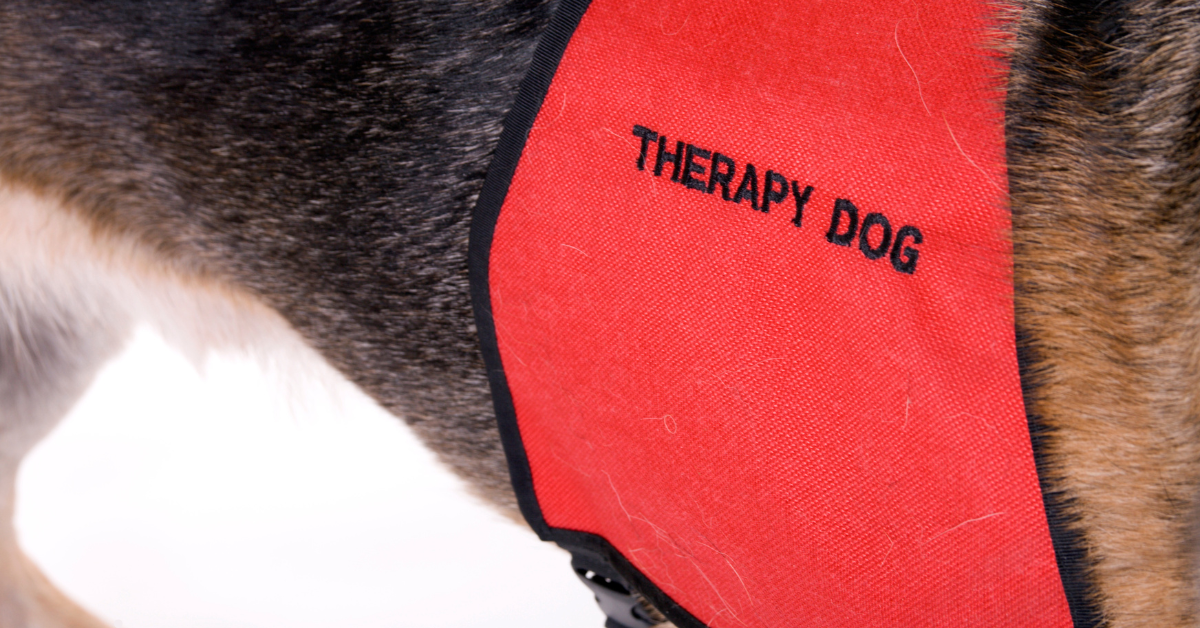
The bond between animals and humans is a powerful force that can significantly impact emotional well-being. Animal therapy for mental health taps into this connection, offering a natural and practical approach to reducing stress, anxiety, and feelings of isolation. While Diamond Behavioral Health does not provide animal-assisted therapy directly, this blog discusses the potential benefits of this therapeutic approach. From improving mood to enhancing social skills, animal therapy has shown tremendous promise in helping individuals manage various mental health challenges. In the following sections, we’ll explore what animal therapy is, the types of animals commonly involved, and the numerous mental health benefits it provides.
What Is Animal Therapy?
Animal therapy, also referred to as pet therapy or animal-assisted therapy (AAT), aims to enhance individuals’ physical, emotional, and mental health through interactions with animals. It is an organized and purposeful approach that involves incorporating animals, such as dogs, horses, or birds, into a person’s therapy process. This method can be implemented in various environments, such as hospitals, rehabilitation centers, schools, and mental health facilities, to offer solace, lessen stress, and improve treatment.
Animal therapy fosters positive connections between humans and animals, encouraging bonding, reliability, and serenity. The connection established with therapy animals frequently promotes emotional openness, lessens sensations of isolation, and aids in developing social abilities. Interacting with animals, whether by petting a dog, riding a horse, or observing them in their natural habitat, has enhanced emotional and psychological well-being.
Common Examples of Therapy Animals:
- Dogs: One of the most popular therapy animals due to their loyal and calming nature.
- Horses (Equine Therapy): Often used for individuals with trauma, PTSD, and autism.
- Cats: Gentle and soothing, cats can help reduce anxiety and depression.
- Rabbits: Their soft, quiet presence is comforting for those needing relaxation.
- Birds: Some therapy programs use birds, especially parrots, for their intelligence and engagement ability.
- Fish: Watching fish swim in an aquarium can have a tranquilizing effect on the mind.
Understanding the different types of therapy animals is just the beginning. Next, the beginning is to understand the connection between animal therapy and mental health. While recognizing the different types of therapy animals is essential, exploring how these animals directly improve mental health is equally crucial. In the next section, we’ll dive into how animal therapy helps alleviate mental health challenges, enhances emotional well-being, and supports overall healing.
How Does Animal-Assisted Therapy Benefit Mental Health?
Interacting with animals in animal-assisted therapy can provide various mental health benefits, mainly by inducing a sense of calmness and connection to the present moment. Reducing stress and anxiety is one of the main benefits. Research indicates that stroking an animal can reduce cortisol levels, the stress hormone, and boost serotonin production. This neurotransmitter improves feelings of happiness. This explains why animal therapy is often utilized for those struggling with anxiety disorders, PTSD, and depression. A therapy animal can establish a secure and non-judgmental environment, making individuals more calm and comfortable.
Another essential advantage of animal-assisted therapy is its capacity to enhance social skills and alleviate feelings of loneliness. Many individuals facing mental health issues like depression or social anxiety often isolate themselves from others. Therapy animals offer companionship and unconditional love, helping individuals open up and feel more connected. Interacting with animals can enhance human connections by allowing people to work on communication, patience, and empathy skills in a relaxed environment.
Animal therapy goes beyond just offering emotional support; it can also provide a sense of direction and regularity, essential for mental health healing. Caring for or engaging with a therapy animal helps people shift their focus away from themselves, which can be particularly helpful for those dealing with conditions such as depression. In the upcoming section, we will explore in more detail the particular issues that animal-assisted therapy can address and how it can be included in a holistic approach to mental health treatment.
Learn More About Our Behavioral Health Services
While our mental health facilities in Palm Beach County do not offer animal-assisted therapy, we provide many proven therapy programs to support mental health and well-being. Our experienced team treats a variety of mental health disorders, including anxiety, depression, bipolar disorder, schizophrenia, and more, with customized care plans tailored to individual needs. To learn more about our treatment options and mental health resources, we encourage you to explore our blog, which offers valuable insights and guidance on mental health topics.