
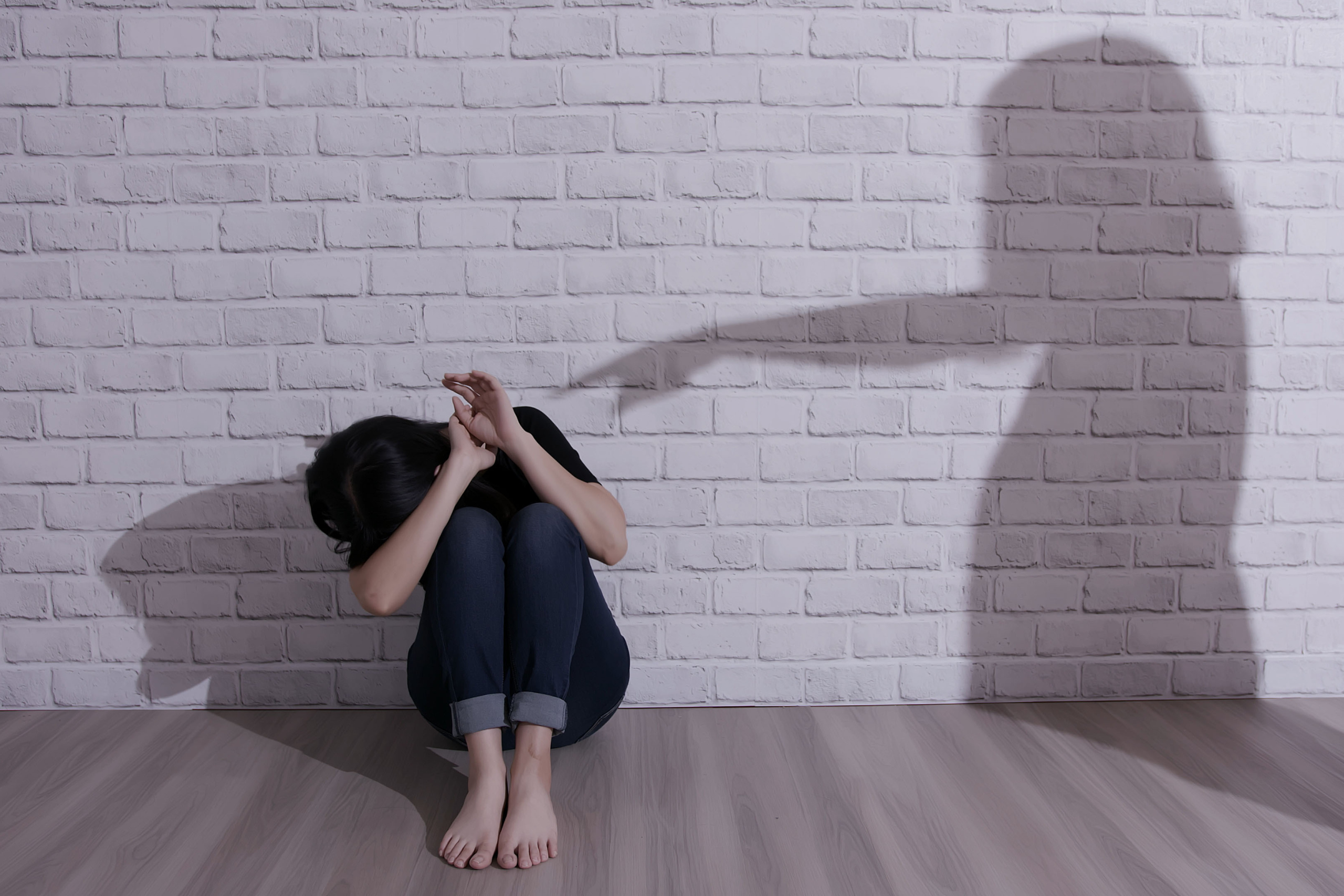
Understanding the profound impact that bullying can have on mental well-being, individuals often seek comprehensive support and resources to navigate their healing journey. At our behavioral health residential treatment center, we recognize the intricate challenges survivors face and are committed to providing a safe space for them to find solace and recovery. Our approach focuses on personalized therapy, compassionate counseling, and fostering a supportive community. Through these avenues, we empower survivors to confront the emotional trauma of bullying, rebuild their self-esteem, and regain control over their lives. Diamond Behavioral Health is taking a closer look at the complex relationship between bullying and mental health.
How Does Bullying Affect Mental Health?
Mental health and bullying are closely aligned, with the latter often having a detrimental effect on the former; it is not just about innocent peer teasing or playground taunting. Bullying has a lasting effect that goes well beyond the initial confrontation; it frequently leaves behind severe emotional wounds that last well into adulthood. It is essential to comprehend the complex ways in which bullying impacts mental health to create prevention and intervention strategies that work.
Effects of bullying on mental health can include:
- Increased risk of depression and anxiety: Victims of bullying are more likely to experience symptoms of depression and anxiety. The relentless harassment and intimidation can erode self-esteem and lead to feelings of worthlessness and hopelessness.
- Post-traumatic stress disorder (PTSD): Individuals who have been bullied may develop symptoms of PTSD, including intrusive memories, hypervigilance, and avoidance behaviors. The trauma of repeated bullying experiences can haunt victims long after the incidents have ceased.
- Social withdrawal and isolation: Bullying can lead to social withdrawal and isolation as victims may fear further ridicule or humiliation. This isolation can exacerbate feelings of loneliness and exacerbate mental health issues.
- Decreased academic performance: The stress and anxiety caused by bullying can interfere with academic performance. Victims may have difficulty concentrating in school, leading to a decline in grades and academic achievement.
- Self-harm and suicidal ideation: Perhaps most alarmingly, bullying is associated with an increased risk of self-harm and suicidal ideation. The relentless torment and feelings of despair can become overwhelming, leading some individuals to contemplate or attempt suicide as a means of escape.
Bullying has a significant negative effect on victims’ mental health and frequently has long-term psychological repercussions. Bullying can leave emotional wounds that last long into adulthood, affecting how people view themselves and interact with others. Bullying victims may also be discouraged from seeking assistance due to the stigma and humiliation attached to the behavior, which exacerbates their suffering. In some cases, cyberbullying can take place as well. This highlights the fact that, although technology can address mental health in some ways, it can also be used to its detriment.
People must understand the detrimental effects bullying has on mental health and take proactive steps to treat and prevent it. We can build safer settings where people can thrive without fear of harassment or intimidation by fostering a culture of empathy, respect, and support.
How to Heal From Being Bullied
Healing from bullying trauma is a complex and individualized process that involves time, self-compassion, and the help of others. Recognizing and accepting the emotional suffering brought on by bullying experiences is an essential first step in the recovery process. Survivors must understand that their emotions are valid and that they are not the only ones going through difficult times. Seeking therapy or counseling can give survivors a safe place to work through their feelings, create coping mechanisms, and reestablish their sense of self. Counselors may provide invaluable assistance and direction in resolving the fallout from bullying, assisting victims in regaining control over their lives and a sense of empowerment.
Building a strong support system of friends, family, and classmates who can offer comprehension, validation, and encouragement is another crucial component of recovering from bullying. Being in a supportive environment and cultivating relationships can mitigate the detrimental impacts of bullying and foster a sense of inclusion and acceptance. Regaining a feeling of purpose and rediscovering one’s passions can be achieved by survivors through therapeutic hobbies and activities that bring them joy and fulfillment. In the end, recovering from bullying is a slow and ongoing process that calls for self-care, resilience, and courage. Through the practice of self-love, getting professional assistance, and building a supportive network, those who have experienced trauma can restore their self-worth and proceed with courage and fortitude.
Address Bullying Trauma at Our Mental Health Rehab Center
At Diamond Behavioral Health, we are dedicated to providing specialized care for individuals who have experienced the trauma of bullying. Through our comprehensive PTSD treatment program and evidence-based therapies such as Cognitive behavioral therapy (CBT), we offer tailored interventions to address the emotional scars left by bullying experiences. Our commitment extends beyond mere acknowledgment of past trauma; we are here to guide individuals through their healing journey, empowering them to reclaim their sense of self-worth and resilience.