
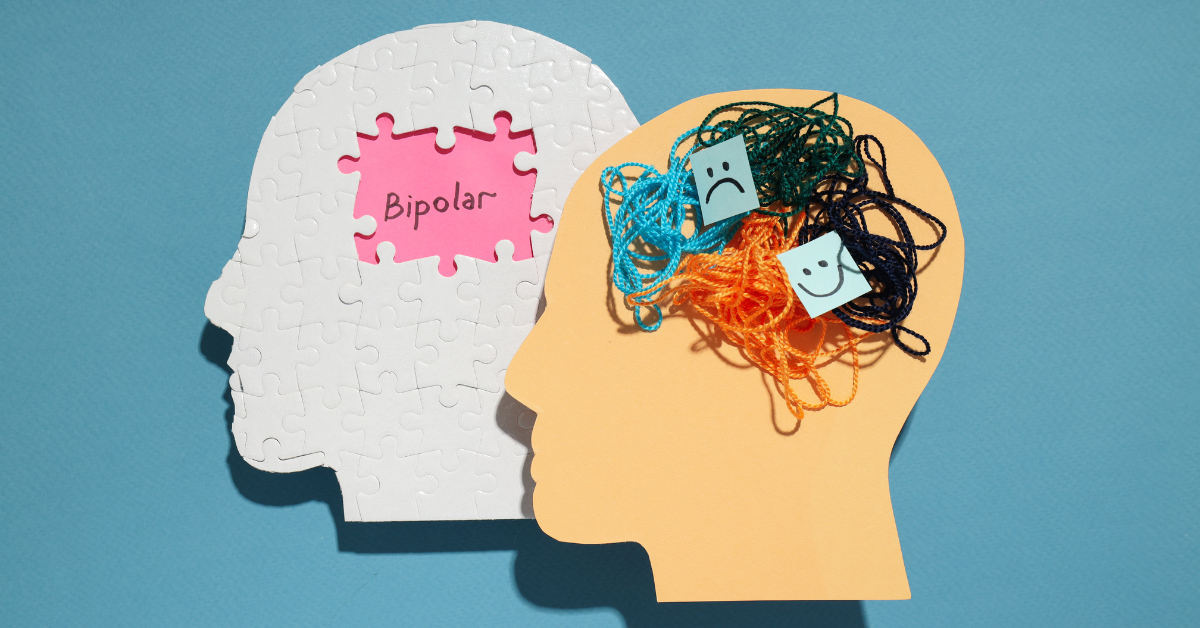
Understanding the difference between depression vs. bipolar disorder is essential for individuals seeking clarity about their mental health. At Diamond Behavioral Health, we’re committed to providing accurate information and compassionate care to help individuals navigate the complexities of mood disorders. Both conditions can significantly impact daily life, relationships, and overall well-being, but knowing how they differ is critical to finding the proper treatment. This guide will explore the key distinctions between depression and bipolar disorder, helping you better understand these conditions and the support available to manage them effectively.
What Is the Difference Between Depression and Bipolar Disorder?
Depression and bipolar disorder are both mood disorders, but they have distinct characteristics that set them apart. Depression, also known as major depressive disorder (MDD), is characterized by persistent feelings of sadness, hopelessness, and a loss of interest in activities once enjoyed. It is a unipolar disorder, meaning mood changes only occur in one direction—toward sadness or low energy. On the other hand, signs of bipolar disorder involve mood swings that range from depressive lows to manic or hypomanic highs, creating a more dynamic spectrum of emotional states.
While depression and the depressive phase of bipolar disorder may share some symptoms, the presence of mania or hypomania is a defining feature of bipolar disorder. Mania is marked by elevated or irritable moods, increased energy, and impulsive behaviors, while hypomania is a less intense version of mania. These distinct episodes of mood elevation are not present in unipolar depression, which makes an accurate diagnosis crucial for appropriate treatment.
Comparing Depression vs. Bipolar Disorder:
- Mood Patterns:
- Depression: Consistently low moods without significant highs
- Bipolar Disorder: Alternates between depressive episodes and manic/hypomanic episodes
- Energy Levels:
- Depression: Persistent fatigue or low energy
- Bipolar Disorder: High energy during manic phases, potentially followed by extreme fatigue in depressive phases
- Behavioral Changes:
- Depression: Withdrawal from social interactions, difficulty concentrating
- Bipolar Disorder: Risk-taking behavior and impulsivity during manic phases
- Sleep Patterns:
- Depression: Trouble sleeping or excessive sleep
- Bipolar Disorder: Decreased need for sleep during manic episodes
- Treatment Approaches:
- Depression: Primarily treated with antidepressants and therapy
- Bipolar Disorder: Typically managed with mood stabilizers, antipsychotics, and therapy
Understanding the symptoms of depression and bipolar disorder is essential for determining the right treatment plan. While depression is often treated with medications like antidepressants, these can sometimes worsen symptoms in individuals with undiagnosed bipolar disorder. Proper diagnosis by a mental health professional can ensure that individuals receive the care they need to manage their condition and improve their quality of life effectively.
What Is Bipolar Depression?
Bipolar depression refers to the depressive episodes experienced by individuals with bipolar disorder. These episodes share many symptoms of major depressive disorder, such as persistent sadness, feelings of hopelessness, fatigue, and a loss of interest in activities. However, bipolar depression occurs as one phase within the broader spectrum of bipolar disorder, alternating with periods of mania or hypomania. These depressive episodes can be just as debilitating as those seen in unipolar depression, often affecting relationships, work, and daily functioning.
A key distinction of bipolar depression is its connection to the manic or hypomanic phases that define bipolar disorder. During a depressive phase, individuals may feel entirely consumed by feelings of worthlessness or despair. Still, these episodes are typically followed by a shift in mood to the opposite extreme—either mania or hypomania. This cycling of moods sets bipolar depression apart from unipolar depression and makes accurate diagnosis and treatment particularly important. Managing bipolar depression often requires a combination of mood stabilizers, therapy, and lifestyle adjustments tailored to balance both extremes of the disorder.
Treating Your Symptoms at Our Palm Beach Mental Health Clinic
Managing mental health challenges like depression or bipolar disorder is never a one-size-fits-all process. At our behavioral health center, we recognize the unique needs of each individual, offering targeted programs for depression that emphasize emotional renewal and hope and bipolar disorder treatment plans that focus on balancing highs and lows effectively. Beyond these, our therapy options provide a foundation for growth and understanding, whether through one-on-one counseling or shared experiences in group therapy. For more insights and tools to navigate your mental health, check out our blog, where we dive into topics that matter to you. Ready to take the next step?