
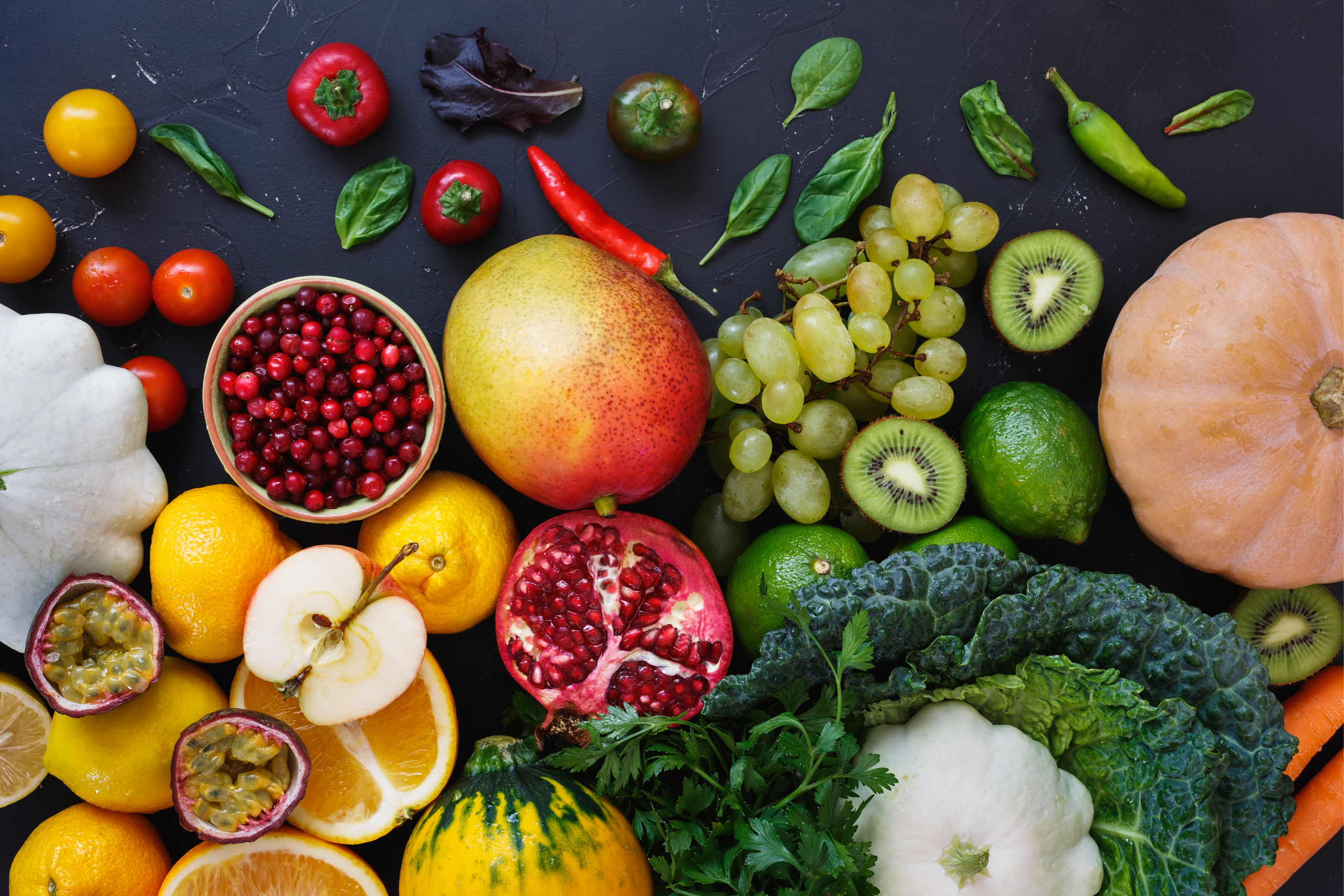
In the intricate tapestry of well-being, the connection between nutrition and mental health weaves a compelling narrative. Scientific inquiry has increasingly unveiled the profound impact that our dietary choices can have on cognitive function, mood regulation, and the risk of mental health disorders. This exploration has led to the identification of key components that constitute an optimal diet for mental health. From omega-3 fatty acids supporting brain function to the influence of antioxidants and probiotics on mood, understanding the role of diet and nutrition for mental health is a crucial aspect of holistic well-being. Diamond Behavioral Health delves into the question of whether a lack of nutrition can cause mental illness and subsequently explores the foundations of the best diet for fostering mental health.
How Diet and Nutrition Affect Mental Health
What Is the Best Diet for Mental Health?
Maintaining a nutritious diet is essential for promoting mental and physical well-being. Researchers are looking into dietary patterns that may improve cognitive performance and lower the risk of mental health issues because of the link between nutrition and mental health. Although there isn’t a single diet that works for everyone, some dietary recommendations have shown promise in supporting mental health.
The best examples of diet and nutrition for mental health include:
- Omega-3 Fatty Acids: Found in fatty fish, flaxseeds, and walnuts, omega-3 fatty acids are essential for brain health and have been linked to a lower risk of depression.
- Antioxidants: Fruits and vegetables rich in antioxidants, such as berries, leafy greens, and colorful fruits, help combat oxidative stress, which may contribute to mental health issues.
- Whole Grains: Complex carbohydrates found in whole grains provide a steady release of glucose, supporting stable blood sugar levels and promoting sustained energy for the brain.
- Probiotics: Fermented foods like yogurt and kefir contain probiotics that contribute to gut health, influencing the gut-brain axis and potentially impacting mood.
- Lean Proteins: Sources like poultry, fish, tofu, and legumes provide amino acids necessary for the synthesis of neurotransmitters, which play a role in mood regulation.
Eating a diet high in these nutrients can improve mental health in general. But it’s important to take into account personal preferences and preferences. A balanced diet, frequent exercise, and other healthy lifestyle choices all contribute to a holistic approach to mental health and well-being. Consulting a licensed dietician or healthcare expert can yield tailored recommendations based on individual needs and health conditions, as is the case with any health advice. Additionally, those in need of support for an existing mental illness can access the therapy programs at our behavioral health treatment facilities.
Improving Well-Being at Our Mental Health Recovery Center
As we strive to provide comprehensive support for mental health, our programs incorporate a holistic approach that includes a focus on dietary choices. Through our carefully curated mental health programs, individuals have the opportunity to explore and adopt dietary patterns conducive to cognitive function, mood stability, and overall mental wellness. Moreover, our commitment extends to personalized care with the option for individual therapy, allowing individuals to address their unique needs and challenges in a supportive and therapeutic environment.
Contact us today to learn more about the resources we can offer you or your loved one, and read our blog to stay up to date on what’s new in mental health.
Source:
- Nutrition Society – The role of diet and nutrition on mental health and well-being