
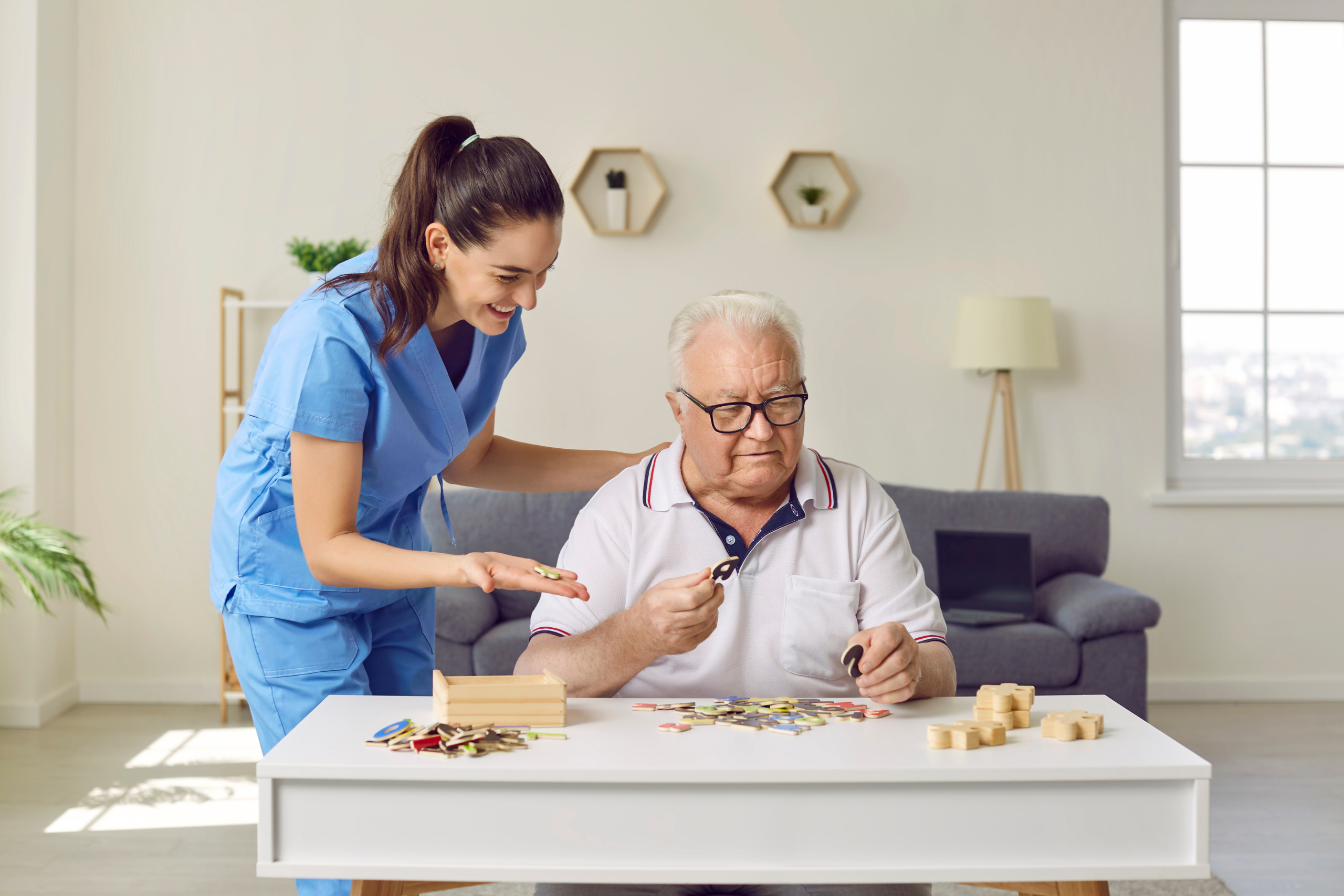
Our mental health rehab center acknowledges the profound importance of addressing the multifaceted challenges encountered by the elderly as they navigate the aging process. From the pervasive impacts of social isolation to the increased vulnerability to mental illness in the elderly, our organization is committed to providing comprehensive solutions that prioritize the mental health and overall well-being of these individuals. By adopting a holistic approach that underscores the significance of social connectivity, early detection, and timely intervention, Diamond Behavioral Health endeavors to empower older adults to lead lives that are not only fulfilling but also resilient in the face of mental health challenges.
How Does Aging Affect the Elderly Emotionally?
People experience a wide range of emotional difficulties as they age, which can have a serious negative effect on their mental health. Changes in physical health, cognitive abilities, and social dynamics are all brought about by aging and might potentially lead to changes in emotional stability. The emotional costs of aging can be significant and show up in a variety of ways for many elderly people, including an increased risk of mental illness.
Some key ways in which aging affects the elderly emotionally include:
- Loss and grief: As individuals age, they often experience the loss of loved ones, friends, and peers. Coping with grief becomes a more frequent occurrence, leading to feelings of loneliness and isolation.
- Health concerns: Physical ailments and chronic illnesses become more prevalent with age, which can lead to increased anxiety, depression, and feelings of vulnerability. The fear of declining health and mortality can be particularly distressing.
- Changes in independence: Aging can bring about a loss of independence as individuals may require assistance with daily activities or experience limitations in mobility. This loss of autonomy can lead to feelings of frustration, inadequacy, and a diminished sense of self-worth.
- Social isolation: Elderly individuals may face social isolation due to factors such as retirement, mobility limitations, or the loss of friends and family members. Lack of social interaction can contribute to feelings of loneliness, depression, and anxiety.
- Cognitive decline: The onset of cognitive decline, such as dementia or Alzheimer’s disease, can significantly impact emotional well-being. Confusion, memory loss, and personality changes can lead to frustration, fear, and a sense of loss of identity.
The psychological effects of aging, especially when it comes to mental illness in the elderly, highlight how critical it is to offer sufficient resources and help to deal with these issues. Prioritizing mental health care for the elderly is critical to provide them with access to psychiatric services that are suited to their needs, as well as therapy and support groups. We can lessen the emotional toll of aging and enhance the general well-being of senior citizens by creating a friendly environment and raising awareness of mental health issues.
How to Improve Mental Health in Elderly People
The improvement of mental illness in the elderly necessitates a multimodal strategy that takes into account their particular demands and difficulties. First off, there is a substantial positive impact on emotional well-being from encouraging social involvement and connectivity. Whether it be through resources like art and music therapy or a more traditional approach, promoting involvement in social groups, clubs, and community events opens doors for connection and lessens feelings of loneliness. Fostering intergenerational connections through volunteer programs or mentorship projects can also help to reduce loneliness and develop a feeling of purpose.
Furthermore, it is essential to prioritize early detection and intervention for mental health disorders in elderly individuals. This entails regular testing for depression, anxiety, and cognitive impairment during routine medical appointments. Putting thorough geriatric assessments into practice can assist in determining underlying problems and facilitating suitable treatment plans. Additionally, to de-stigmatize mental illness and promote prompt intervention and support, educators and advocates for mental health issues must educate and raise awareness among older individuals, caregivers, and medical professionals. We can significantly enhance the mental health outcomes for senior populations by incorporating these techniques into healthcare systems and community programs.
Behavioral Health Care You Can Trust
Our mental health rehabilitation center remains steadfast in its dedication to supporting the behavioral health needs of the elderly population. Through our comprehensive mental health programs, we offer a range of services tailored to address the unique challenges faced by older adults, including therapy, support groups, and cognitive behavioral interventions. Additionally, our medication management protocols ensure that elderly individuals receive appropriate and effective treatment for their mental health disorders, promoting optimal well-being and quality of life.