
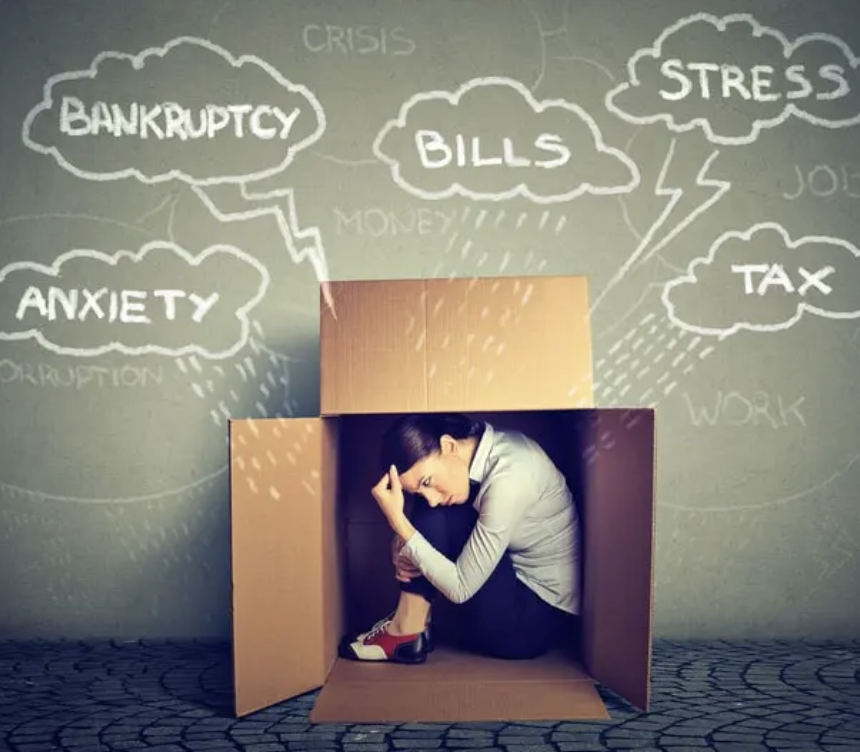
Financial stress has become one of the leading contributors to anxiety, depression, burnout, and emotional exhaustion throughout the United States. For many individuals and families across Florida, rising living costs, debt, career instability, inflation, and unexpected expenses have created overwhelming emotional pressure that affects nearly every aspect of daily life. While money itself may not directly cause mental illness, ongoing financial stress can significantly worsen mental health conditions and make it more difficult for individuals to maintain emotional stability.
At Diamond Behavioral Health, we understand that mental health challenges are often connected to external life stressors, and financial strain is one of the most common issues people silently struggle with today. Many individuals dealing with anxiety, depression, panic attacks, substance use, or emotional burnout are simultaneously trying to manage financial uncertainty behind the scenes.
The Connection Between Financial Stress and Mental Health
Financial stress affects far more than bank accounts. It impacts sleep, relationships, self-esteem, focus, motivation, and physical health. When individuals constantly worry about paying bills, maintaining employment, supporting their families, or handling debt, the body often remains in a prolonged state of stress.
This chronic stress response can lead to:
- Increased anxiety and panic attacks
- Depression and feelings of hopelessness
- Irritability and mood swings
- Difficulty concentrating
- Sleep disturbances and insomnia
- Emotional exhaustion and burnout
- Increased substance use or unhealthy coping mechanisms
- Social withdrawal and isolation
Over time, these emotional symptoms can begin affecting personal relationships, work performance, and overall quality of life. Many individuals experiencing financial stress begin feeling trapped, overwhelmed, or emotionally drained without fully realizing how deeply the stress is impacting their mental health.
Why Financial Pressure Feels So Overwhelming
Financial stress often carries emotional weight beyond the actual dollar amounts involved. Many individuals tie financial stability to feelings of success, security, independence, and self-worth. When financial difficulties arise, people may begin experiencing shame, embarrassment, guilt, or fear about the future.
In today’s world, financial pressure has intensified for many people due to:
- Rising housing and rental costs
- Credit card debt
- Medical expenses
- Student loans
- Career uncertainty
- Family responsibilities
- Economic instability
- Social pressure and comparison through social media
For some individuals, financial hardship may trigger underlying anxiety or depressive disorders that previously went unnoticed. Others may already struggle with mental health conditions that become significantly worse during periods of financial instability.
Financial Stress and Substance Use
There is also a strong connection between financial stress and substance use disorders. Many individuals coping with emotional pressure turn to alcohol, drugs, gambling, or other unhealthy behaviors as temporary escapes from stress and anxiety.
Unfortunately, substance use often creates even greater financial strain over time, leading to a difficult cycle where mental health, addiction, and financial hardship continue feeding into one another. This is why addressing both emotional wellness and underlying stressors is so important during treatment.
At Diamond Behavioral Health, we frequently work with individuals experiencing co-occurring mental health and substance use challenges tied to stress, trauma, and life instability. Treating the full picture — not just the symptoms — is critical for long-term healing.
The Physical Effects of Chronic Stress
Financial anxiety does not only affect emotional wellness. Chronic stress can also impact physical health in major ways. Long-term stress has been linked to:
- High blood pressure
- Headaches and migraines
- Digestive issues
- Fatigue
- Muscle tension
- Weakened immune function
- Increased risk of heart disease
Many people living under constant financial stress feel mentally and physically exhausted because the nervous system rarely has an opportunity to fully relax.
Why Seeking Mental Health Support Matters
One of the biggest mistakes people make is believing they need to “handle it alone.” Financial stress can create isolation, especially when individuals feel embarrassed discussing their struggles with others. However, professional mental health support can help individuals develop healthier coping mechanisms, emotional regulation skills, and stress management techniques.
Therapy and behavioral health treatment can help individuals:
- Reduce anxiety and emotional overwhelm
- Improve emotional resilience
- Develop healthier coping strategies
- Address underlying depression or trauma
- Improve relationships and communication
- Create structure and emotional balance
- Rebuild confidence and self-worth
Mental health treatment is not about pretending financial stress does not exist — it is about learning how to manage emotional responses in healthier ways while regaining stability and control.
Mental Health Treatment in Florida
At Diamond Behavioral Health, we provide compassionate, individualized mental health treatment programs designed to help individuals struggling with anxiety, depression, stress, trauma, burnout, and co-occurring disorders. Our team understands how overwhelming life pressures can become, especially when financial stress begins affecting emotional and physical wellness.
We proudly help individuals throughout Florida access professional behavioral healthcare in a supportive environment focused on healing, growth, and long-term stability. Whether someone is dealing with chronic anxiety, emotional burnout, depression, or unhealthy coping behaviors tied to stress, seeking help can be the first step toward meaningful recovery.
You Are Not Alone
Financial stress can make people feel isolated, hopeless, or emotionally exhausted, but support is available. Mental health struggles do not define a person’s worth, and asking for help is never a sign of weakness. With the right support system, therapy, and treatment plan, individuals can learn healthier ways to manage stress while rebuilding confidence and emotional wellness.
At Diamond Behavioral Health, our mission is to help individuals throughout Florida regain stability, improve mental wellness, and move forward with hope — even during life’s most difficult seasons.
FAQ: Financial Stress and Mental Health
How does financial stress affect mental health?
Financial stress can increase anxiety, depression, panic attacks, sleep problems, irritability, and emotional burnout. Ongoing stress about money can affect both emotional and physical well-being over time.
What are signs that financial stress is affecting me mentally?
Common signs include constant worry, trouble sleeping, fatigue, mood swings, feeling overwhelmed, difficulty concentrating, social withdrawal, and unhealthy coping habits like alcohol or substance use.
Can therapy help with financial stress?
Yes. Therapy can help individuals manage anxiety, improve coping skills, regulate emotions, and develop healthier ways to handle stress and uncertainty.
Can financial stress worsen existing mental health conditions?
Absolutely. Financial pressure can intensify conditions such as depression, anxiety disorders, PTSD, and substance use disorders, especially when left untreated.
What treatment options does Diamond Behavioral Health offer?
Diamond Behavioral Health offers individualized mental health treatment, therapy, trauma-informed care, co-occurring disorder treatment, and behavioral health support tailored to each person’s needs.
Does insurance cover mental health treatment?
Many private insurance plans may help cover mental health treatment services, including providers such as Cigna, Aetna, Blue Cross Blue Shield, and more.
Contact us online or call 844-525-2899 to speak with a member of our team today.