
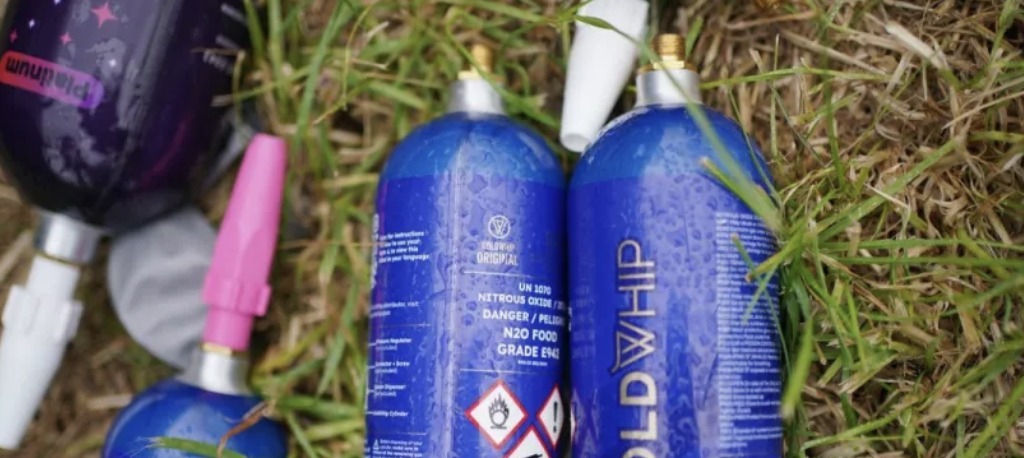
Florida has taken a major step in addressing the growing misuse of nitrous oxide, commonly known as “whip-its,” with the passage of new legislation often referred to as Meg’s Law. Governor Ron DeSantis recently signed the bill into law, creating stricter regulations surrounding the sale, possession, and distribution of nitrous oxide products that have increasingly been used for recreational intoxication rather than their intended purposes.
The law represents one of the most significant state-level responses to nitrous oxide abuse in recent years and reflects growing concerns among lawmakers, parents, healthcare professionals, and law enforcement officials about the dangers associated with recreational inhalant use. While nitrous oxide has legitimate uses in medicine, food preparation, and industrial settings, officials argue that its easy availability in convenience stores, smoke shops, and vape stores has contributed to a rise in misuse, particularly among young adults and teenagers.
As Florida begins implementing the new regulations, many residents are asking questions about what exactly has changed, why lawmakers felt the legislation was necessary, and what impact the law may have moving forward.
What Is Nitrous Oxide?
Nitrous oxide is a colorless gas that has been used for decades in a variety of legitimate settings. It is commonly utilized in dental offices and medical facilities as a sedative and pain management tool. It is also used in food preparation, particularly in whipped cream dispensers, which is one reason many people associate the substance with the term “whip-its.”
When inhaled, nitrous oxide can produce short-term feelings of euphoria, relaxation, dizziness, and altered perception. These effects typically last only a few minutes, which has contributed to its popularity as a recreational substance.
For years, small nitrous oxide cartridges and canisters could be purchased relatively easily at smoke shops, convenience stores, and other retail locations throughout many parts of the country. While some purchasers used the products for legitimate culinary purposes, authorities became increasingly concerned that a substantial portion of sales were intended for recreational inhalation.
Why Did Florida Pass This Law?
The new legislation was motivated by growing reports of nitrous oxide misuse and the serious health consequences that can result from repeated inhalation.
Lawmakers cited concerns that recreational nitrous oxide use had become increasingly common, particularly among younger populations. Social media trends, online videos, and easy retail access contributed to greater awareness and experimentation with the substance.
Supporters of the law argue that the products were often marketed in ways that made recreational use more appealing. Large canisters, flavored versions, colorful packaging, and sales through smoke shops raised concerns that some retailers were targeting consumers who intended to inhale the gas rather than use it for culinary purposes.
The legislation was also influenced by reports of accidents, injuries, hospitalizations, and deaths associated with nitrous oxide misuse. Public health officials warned that while some people perceive nitrous oxide as harmless because of its legal status, repeated or excessive use can lead to serious medical complications.
What Does the New Law Do?
The legislation significantly restricts over-the-counter access to nitrous oxide products in Florida.
Under the new framework, authorities will increase enforcement against retailers and distributors who sell nitrous oxide for recreational purposes. Smoke shops, vape stores, convenience stores, and other businesses that previously carried certain nitrous oxide products may face new restrictions or penalties if they fail to comply with state regulations.
The law also strengthens criminal penalties related to the illicit sale and distribution of nitrous oxide when intended for recreational misuse. Depending on the circumstances involved, violations may lead to serious legal consequences.
State officials have indicated that enforcement efforts will focus on businesses and individuals who knowingly participate in recreational distribution networks rather than legitimate medical, industrial, or culinary uses.
The overall goal is to reduce easy access while preserving lawful uses for professionals and businesses that depend on nitrous oxide for legitimate purposes.
Understanding the Health Risks
One of the primary reasons lawmakers pushed for stronger regulations is the growing body of evidence regarding the health risks associated with nitrous oxide misuse.
Many people assume that because nitrous oxide has legitimate medical applications, recreational use must be relatively harmless. However, medical experts have repeatedly warned that unsupervised inhalation can pose substantial dangers.
Some immediate effects may include:
- Dizziness
- Loss of coordination
- Impaired judgment
- Confusion
- Temporary loss of consciousness
- Falls and accidents
- Reduced oxygen delivery to the brain
While these short-term effects can be dangerous on their own, repeated use creates even more significant concerns.
Chronic nitrous oxide misuse can interfere with the body’s ability to utilize vitamin B12 properly. Over time, this can lead to nerve damage, numbness, tingling sensations, weakness, balance problems, and other neurological complications.
In severe cases, some individuals have experienced long-term nerve injuries that require extensive rehabilitation and medical treatment.
The Growing Popularity of Whip-Its
Nitrous oxide abuse has become increasingly visible in recent years.
One factor driving this trend is the misconception that inhalants are safer than other substances because they are legal or easily accessible. Unfortunately, legality does not necessarily indicate safety.
Many individuals who misuse nitrous oxide report that they initially viewed it as a low-risk way to experience a brief high. The substance’s short duration often leads some users to repeatedly inhale it over extended periods, increasing the likelihood of harmful consequences.
Another contributor has been social media. Videos showing individuals using nitrous oxide products have circulated widely across platforms, sometimes portraying the activity as humorous or harmless entertainment.
Healthcare professionals worry that these portrayals minimize the real risks involved and may encourage experimentation among younger audiences.
How Businesses May Be Affected
The law is likely to have significant implications for businesses that previously sold nitrous oxide products.
Convenience stores, smoke shops, vape retailers, and specialty shops may need to adjust inventory practices and review compliance procedures carefully.
Retailers who fail to comply with new regulations could face fines, criminal penalties, license consequences, or other enforcement actions.
Many business owners are currently seeking clarification regarding implementation timelines, enforcement priorities, and product-specific restrictions. Industry groups are expected to continue working with regulators to better understand how the law will be enforced moving forward.
Businesses that legitimately sell nitrous oxide for culinary purposes may also need to demonstrate compliance with applicable regulations and ensure that products are not being marketed toward recreational users.
The Public Health Perspective
Public health advocates generally support efforts to reduce recreational nitrous oxide misuse.
From a prevention standpoint, limiting access is viewed as one tool among many that can help reduce substance-related harm. Supporters argue that making potentially dangerous substances harder to obtain can reduce experimentation and lower rates of misuse.
However, experts also emphasize that enforcement alone is rarely sufficient.
Many individuals who misuse substances are struggling with underlying issues such as anxiety, depression, trauma, stress, loneliness, or other mental health concerns. Addressing these root causes is often critical for achieving long-term success in prevention and recovery efforts.
Because of this, public health professionals continue to advocate for expanded education, treatment access, and community support services alongside regulatory measures.
What Parents Should Know
Parents may want to familiarize themselves with the signs of nitrous oxide misuse, particularly if they have teenagers or young adults in the household.
Potential warning signs can include:
- Small metal cartridges or canisters
- Balloons used to inhale gas
- Sudden dizziness or confusion
- Unusual mood changes
- Declining academic performance
- Secretive behavior
- Frequent possession of whipped cream chargers or similar products
While these signs do not necessarily indicate substance misuse, they may warrant further conversation and observation.
Open communication remains one of the most effective tools parents have. Educating young people about the actual risks associated with inhalants can help counter misconceptions that these substances are harmless.
Addiction and Inhalant Use
Although nitrous oxide does not create dependence in exactly the same way as substances such as opioids or alcohol, repeated use can still become problematic.
Some individuals develop patterns of compulsive use despite experiencing negative consequences. Others may begin using nitrous oxide alongside alcohol, cannabis, stimulants, or other substances, increasing overall risk.
The psychological aspects of addiction can be particularly important in these situations. People may continue seeking the brief euphoric effects as a way to cope with stress, anxiety, boredom, or emotional discomfort.
Over time, this pattern can become increasingly difficult to break without support.
The Debate Surrounding the Law
Not everyone agrees on the best approach to addressing nitrous oxide misuse.
Supporters argue that stronger regulations are necessary to protect public health and prevent avoidable injuries and deaths. They point to rising misuse rates and increasing medical complications as evidence that intervention was needed.
Critics, however, question whether criminal penalties are the most effective solution. Some believe educational campaigns and treatment-focused approaches should play a larger role than enforcement.
Others worry about potential impacts on businesses and consumers who use nitrous oxide products for legitimate purposes.
Like many public policy debates involving substance use, the discussion often centers on balancing public safety, personal responsibility, business interests, and individual freedoms.
Looking Ahead
Florida’s new nitrous oxide restrictions represent a significant shift in how the state approaches recreational inhalant misuse.
The coming months will likely provide greater clarity regarding enforcement practices, business compliance expectations, and the law’s overall effectiveness. Regulators, law enforcement agencies, healthcare providers, and community organizations will all play important roles in implementation.
Whether the legislation leads to measurable reductions in nitrous oxide misuse remains to be seen. However, the law clearly signals that state leaders view the issue as a serious public health concern deserving increased attention.
As awareness continues to grow regarding the potential dangers of recreational nitrous oxide use, many experts hope that a combination of education, prevention, treatment resources, and responsible regulation can help reduce harm and protect communities across Florida.
Frequently Asked Questions
What are whip-its?
Whip-its are nitrous oxide products that are often sold in cartridges or canisters. While they have legitimate uses, some people inhale the gas recreationally to experience a brief euphoric effect.
Why did Florida pass this law?
Lawmakers cited concerns about increasing recreational misuse, health complications, injuries, and the availability of nitrous oxide products in retail stores.
Is nitrous oxide illegal in Florida now?
The law primarily targets recreational sales, possession, and distribution. Legitimate medical, industrial, and culinary uses remain protected under applicable regulations.
What are the dangers of nitrous oxide abuse?
Potential risks include oxygen deprivation, loss of consciousness, accidents, nerve damage, vitamin B12 deficiency, neurological problems, and other serious health complications.
Who is most at risk?
Young adults and teenagers have been identified as populations with increasing rates of experimentation, though individuals of any age can misuse nitrous oxide.
Can nitrous oxide cause addiction?
While it does not produce addiction in the same way as some other substances, repeated use can become compulsive and lead to harmful behavioral patterns.
How will the law be enforced?
State and local authorities are expected to focus on retailers, distributors, and individuals who knowingly participate in unlawful recreational distribution or sales.
Will convenience stores and smoke shops still be able to sell nitrous oxide?
Businesses will need to comply with the new regulations, and some products or sales practices may no longer be permitted under Florida law.
Contact us online or call 844-525-2899 to speak with a member of our team today.