
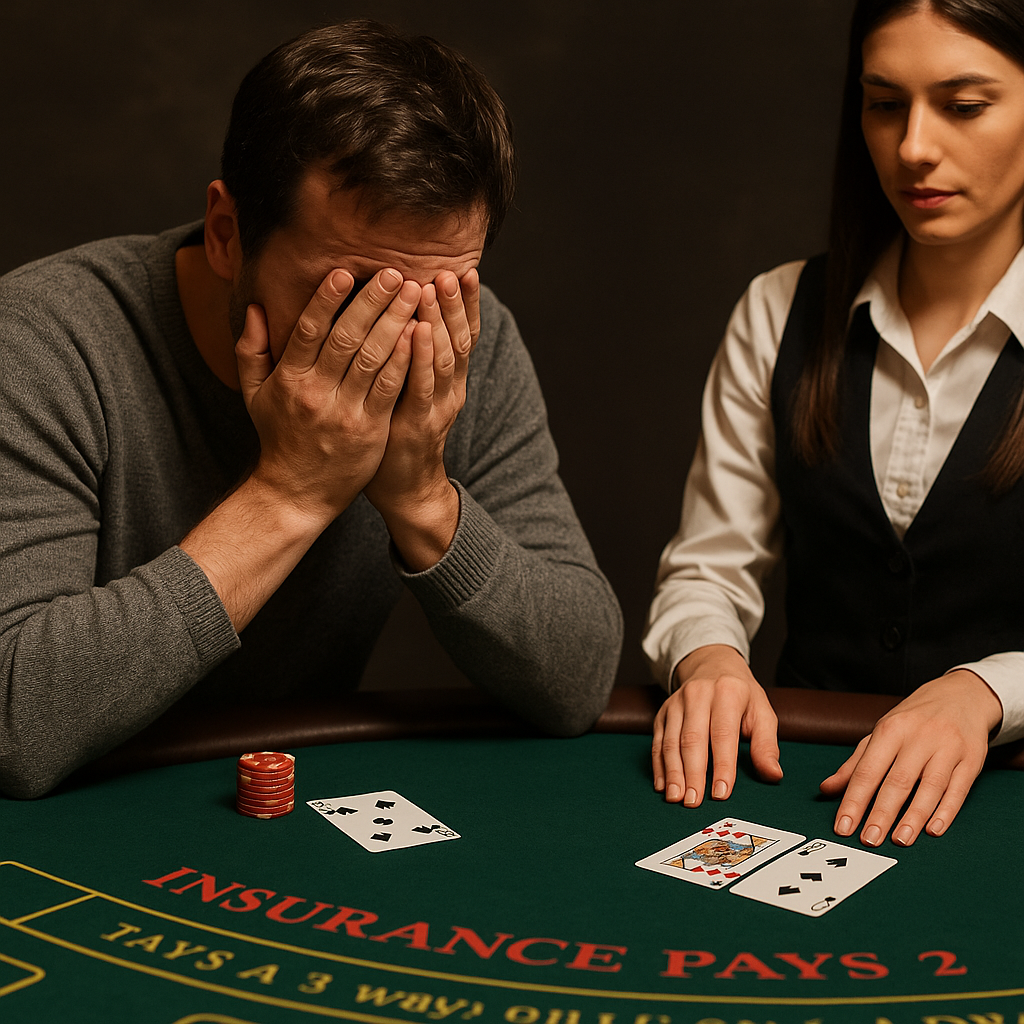

Gambling addiction can feel invisible at first. It doesn’t always start with huge losses or dramatic moments—many people slip into it quietly. A few bets turn into a habit, and the habit slowly becomes a cycle that’s hard to break. To understand gambling addiction, you have to understand what fuels it, what triggers it, and why it becomes so powerful so quickly.
At its core, gambling addiction is about more than money. It’s tied to the brain’s reward system. Every time you gamble—whether you win or lose—your brain releases dopamine, the same chemical involved in excitement, anticipation, and pleasure. The rush from gambling becomes addictive, even when the outcomes are unpredictable or harmful. Over time, your brain starts craving the thrill more than the actual win.
One of the biggest triggers is stress. Many people gamble to escape pressure from work, family, finances, or emotional problems. For a moment, gambling gives you tunnel vision—the world becomes quiet, your problems fade, and all that matters is the game. That relief makes the urge even stronger the next time you feel overwhelmed.
Another trigger is boredom or loneliness. Gambling fills empty time, gives you something to focus on, and distracts you from uncomfortable emotions. People who feel isolated or disconnected may use gambling as a temporary source of excitement, connection, or purpose.
Emotional pain is one of the strongest triggers. Breakups, grief, disappointment, or unresolved trauma can lead someone to gamble as a way to numb feelings they don’t know how to manage. The gamble becomes a coping mechanism—one that works for a moment but creates bigger problems long term.
Social environments can also trigger gambling. Being around friends who gamble, frequenting casinos, betting during sports events, or scrolling through online gambling ads can reignite the urge even after months of self-control. Gambling is everywhere today—on apps, social media, commercials—and easy access makes it harder to resist impulsive decisions.
Winning is another trigger, ironically. Even small wins can reinforce the belief that the “next one” could be bigger. The brain stores that high, and you start chasing it—even when losses outweigh wins. It creates a dangerous cycle of chasing the rush, not the outcome.
For some people, financial stress becomes a trigger. The more money you lose, the more you try to gamble your way out of the hole. This spiral can happen fast and can make someone feel desperate, ashamed, or stuck. The cycle is emotional, not logical.
The good news? Understanding your triggers is the first step in breaking the gambling cycle. When you know what sets you off—stress, boredom, loneliness, emotional pain, social pressure—you can create healthier ways to cope. Therapy, support groups, and outpatient programs can teach you coping skills, help you manage stress, and rebuild emotional balance. You learn how to regulate your impulses instead of acting on them, and you rebuild confidence step by step.
Gambling addiction isn’t about weakness—it’s about pain, escape, and a brain caught in a reward loop that’s hard to shut off alone. But with the right support, you can break the cycle. Life is short, and you deserve a future grounded in peace, clarity, and control—not chaos and risk.
Contact us online or call 844-525-2899 to speak with a member of our team today.