
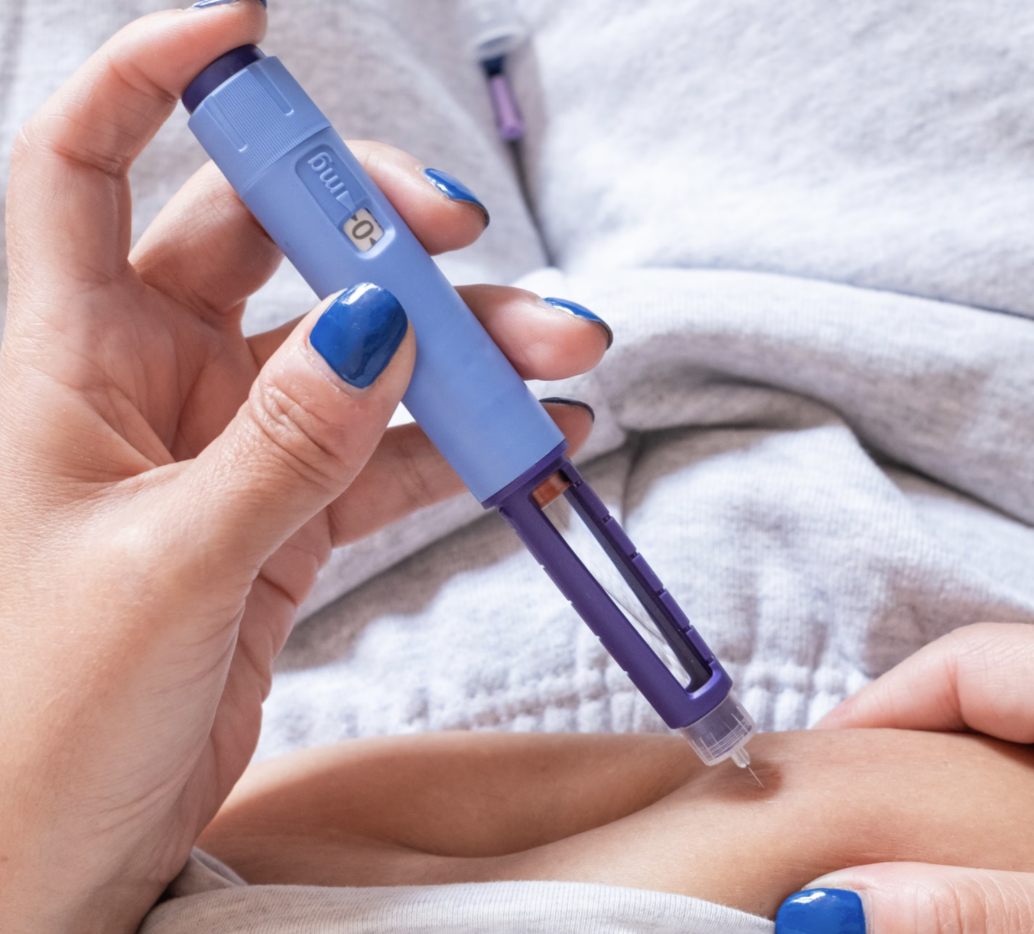
GLP-1 medications have rapidly become one of the most talked-about treatments in the health and wellness space. Originally developed to help manage type 2 diabetes, medications such as Ozempic, Wegovy, and Mounjaro are now widely recognized for their impact on weight loss and appetite regulation. However, researchers and mental health professionals are beginning to explore another important conversation surrounding GLP-1 medications: their potential connection to mental health.
GLP-1 medications work by mimicking a hormone in the body that helps regulate blood sugar levels, appetite, and digestion. Because these medications directly affect parts of the brain associated with reward, impulse control, and cravings, many experts believe there may also be a relationship between GLP-1 medications and emotional well-being. Some individuals report improvements in confidence, motivation, and overall mood as they experience physical health changes and weight loss. Others, however, may experience emotional adjustments, anxiety, or shifts in mental health while adapting to these medications and lifestyle changes.
Mental health and physical health are deeply connected. Individuals struggling with obesity, chronic stress, or metabolic issues often experience higher rates of depression, anxiety, and low self-esteem. For some people, improving physical health through weight management may positively impact emotional wellness. Increased energy levels, improved sleep, and better self-image can contribute to stronger overall mental health outcomes. At the same time, significant changes in appetite, body image, or routines can also create emotional challenges that should not be ignored.
There is also growing interest in how GLP-1 medications may impact addictive behaviors and compulsive patterns. Some early studies and patient experiences suggest these medications may reduce cravings not only for food, but potentially for alcohol and other compulsive behaviors as well. While research is still ongoing, the connection between the brain’s reward system and GLP-1 medications is becoming an increasingly important topic in both medical and behavioral health communities.
At Diamond Behavioral Health, we understand that mental health treatment should consider the full picture of a person’s well-being. Emotional wellness, physical health, stress management, and lifestyle habits are all connected. As conversations around GLP-1 medications continue to evolve, it is important for individuals to monitor both physical and emotional changes while working closely with healthcare professionals.
Mental health challenges can arise in many different forms, and every individual responds differently to medications, stress, and life changes. If you or someone you love is struggling with anxiety, depression, emotional instability, or co-occurring challenges, seeking professional support can make a major difference. At Diamond Behavioral Health, we are committed to helping individuals throughout Florida access compassionate, individualized mental health care designed to support long-term wellness and stability.
Contact us online or call 844-525-2899 to speak with a member of our team today.