
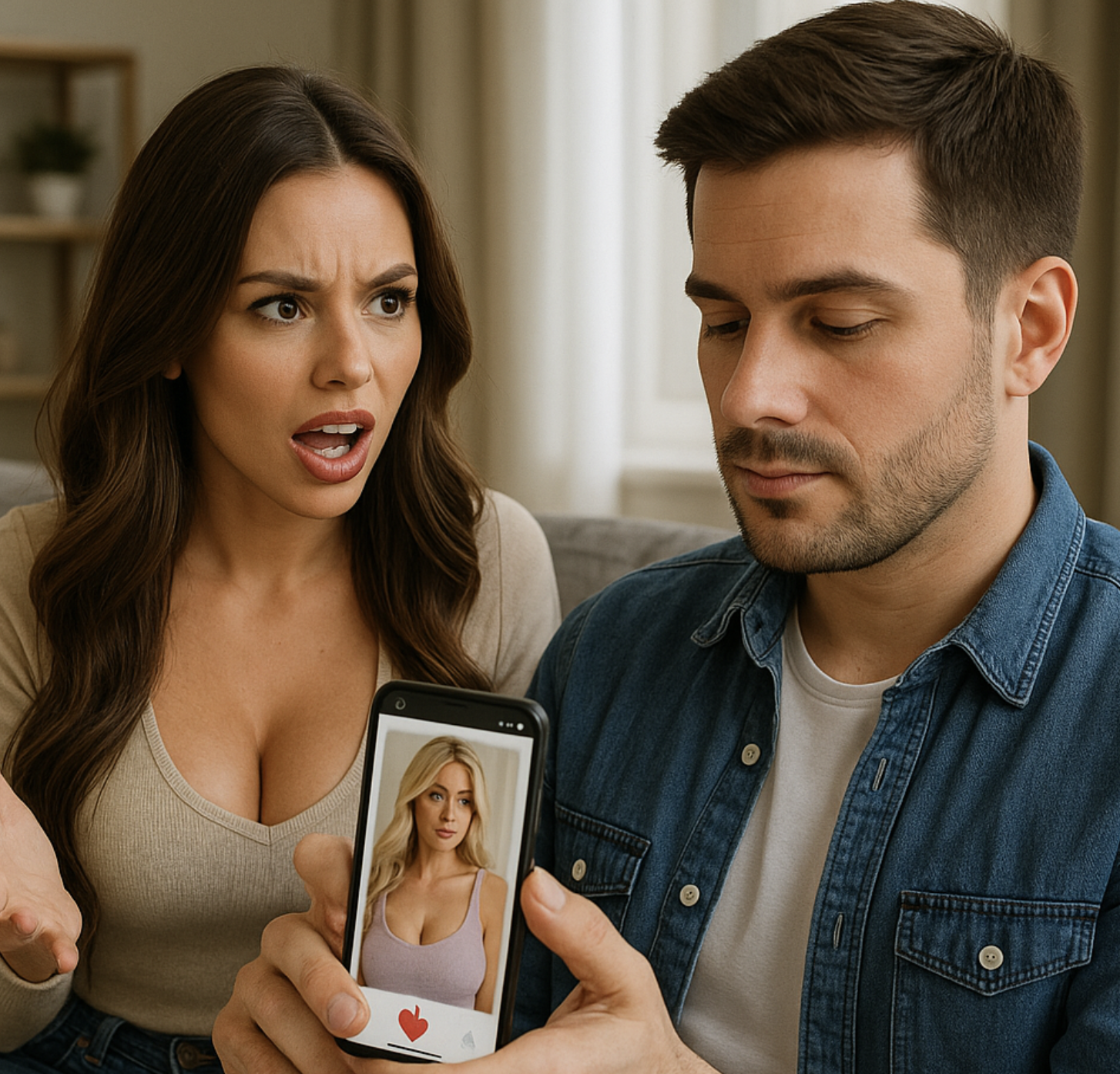

How Sex Addiction Affects Relationships
Sex addiction is a complex and often misunderstood condition. Unlike casual infidelity or a strong libido, sex addiction involves compulsive behavior that continues despite negative consequences. It’s not just about pleasure—it’s about control, escape, and emotional regulation. And like any addiction, it can wreak havoc on the people closest to the person struggling.
For those in a relationship with someone who has a sex addiction, the experience can feel like emotional whiplash. There’s often a cycle of secrecy, betrayal, promises, and relapses. The emotional toll is deep and long-lasting, often leading to broken trust, low self-esteem, anxiety, and depression for both partners.
The Toll on Trust
At the heart of any relationship is trust, and sex addiction can tear that foundation apart. The secrecy and deception that often accompany this addiction—hiding pornography use, engaging in affairs, or using escort services—make it nearly impossible to maintain an honest connection. Lies pile up. Partners begin to question everything: Where were you? Who were you with? Why do I feel like I’m not enough?
It doesn’t take long before emotional distance sets in. The partner of the addict starts feeling neglected, hurt, and confused. Often, they blame themselves, wondering if they could’ve done something differently. But it’s not their fault. Sex addiction isn’t about the other person—it’s about internal pain that hasn’t been addressed.
Mental Health and Emotional Chaos
Sex addiction doesn’t live in a vacuum. It’s commonly tied to underlying mental health struggles like anxiety, depression, or trauma. Many people turn to compulsive sexual behavior as a way to numb pain or escape difficult emotions. It might provide temporary relief, but afterward comes the crash: guilt, shame, and self-loathing.
This cycle can lead to intense mood swings. One moment, the addict may be charming and affectionate. The next, they may become withdrawn, irritable, or emotionally unavailable. That unpredictability makes the relationship feel like walking on eggshells. It’s not only exhausting but emotionally damaging.
Meanwhile, the partner often develops their own mental health challenges. Many report symptoms similar to PTSD—flashbacks, anxiety attacks, and emotional numbness. Depression is common, especially when the person feels stuck between loving someone and trying to protect themselves.
Intimacy Becomes Complicated
One of the most heartbreaking aspects of sex addiction in relationships is the damage it does to physical and emotional intimacy. For the addict, sex becomes a compulsion—it’s not about connection or love. For the partner, this often feels like a betrayal of their most private space. Some may feel used or objectified, while others withdraw from sex altogether out of pain or fear.
Over time, a chasm opens up between both partners. One person is trying to escape through sex, while the other is trying to escape from the hurt that sex has caused. The lack of genuine intimacy can leave both people feeling profoundly alone, even if they’re still living under the same roof.
The Path to Sobriety and Healing
Recovery is possible—but it requires hard, honest work. Like any addiction, the first step is acknowledging the problem. From there, treatment often involves therapy, support groups, and sometimes rehab. Sobriety in this context doesn’t mean no sex—it means learning to engage with sex in a healthy, respectful, and emotionally connected way.
Mental health support plays a massive role in recovery. Addressing the root causes of the addiction—whether that’s trauma, depression, or anxiety—is essential. Without healing those wounds, the behavior will likely resurface, even with the best intentions.
For couples who choose to work through it together, rebuilding the relationship is a slow process. It takes time, boundaries, and professional help. But there is hope. Many relationships come out stronger on the other side, built on a new foundation of honesty and healing.
Choosing Yourself
In some cases, the best path forward is separation. If the relationship becomes emotionally abusive, toxic, or continues to damage your mental health, it’s okay to walk away. Self-care and self-preservation are not selfish—they’re necessary.
Sex addiction is a reminder that not all addictions are visible. Just because someone isn’t holding a bottle or popping a pill doesn’t mean they’re not struggling. And like any addiction, it affects everyone involved, not just the person with the problem.
If you’re in a relationship with someone battling sex addiction, know this: you deserve love, honesty, and peace. Whether that comes from healing together or choosing to heal apart, the path forward starts with protecting your own mental health and holding onto your sense of self.
Sobriety—whether from substances, destructive behaviors, or toxic cycles—isn’t easy. But it’s worth it. Because life is too short to be stuck in pain that isn’t yours to carry.
Contact us online or call 844-525-2899 to speak with a member of our team today.