
How to Break the Binge-Restrict Cycle
The binge-restrict cycle is one of the most damaging patterns someone can fall into, and it’s more common than people realize. While often associated with disordered eating, it also applies to alcohol and substance use. It’s not just about what’s being consumed—it’s about the mental health struggles underneath. At its core, this cycle is about control, shame, and the desperate attempt to feel better in an unhealthy way. Understanding how to break the binge-restrict cycle is essential not just for your physical health, but for your emotional stability and overall recovery.
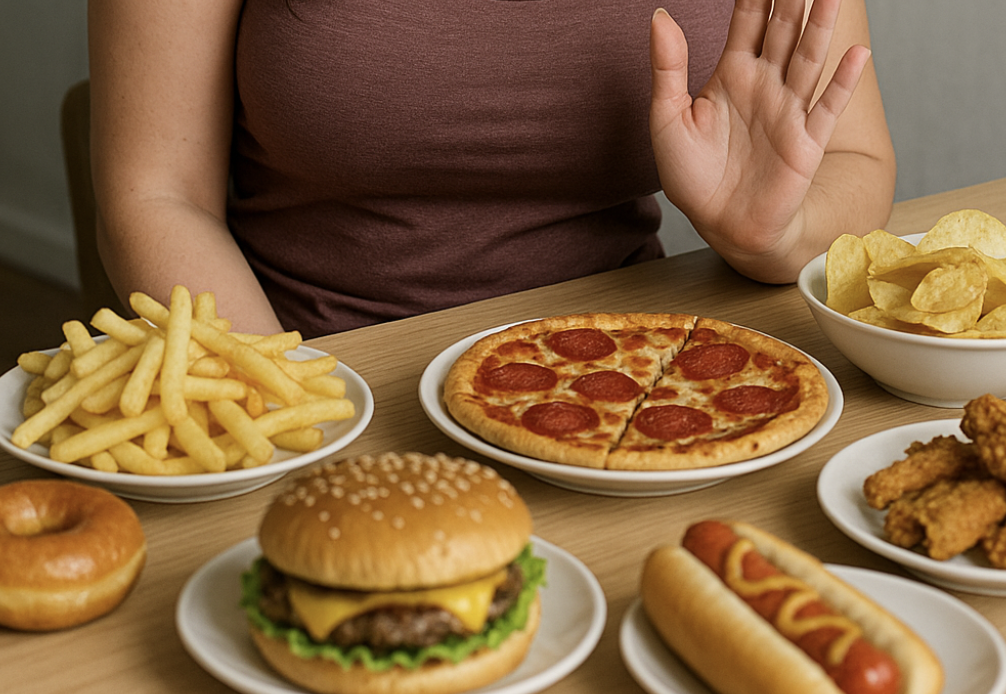
The cycle usually begins with restriction. You tell yourself you’re going to eat less, stop drinking, or quit using. You feel determined, focused, maybe even hopeful. But restriction—especially when it’s too extreme—creates stress, obsession, and eventually deprivation. Your brain starts craving the very thing you’re trying to avoid. Eventually, you give in, often with an overwhelming binge. Whether that’s eating until you’re sick, drinking until you blackout, or relapsing into drug use, the end result is the same: guilt, shame, and a vow to start the restriction all over again. And so it repeats.
This back-and-forth isn’t about a lack of willpower. It’s rooted in biology and psychology. Restriction puts your body into survival mode. When you deny yourself food or substances your body has grown dependent on, it starts to panic. Your mental and physical hunger builds up like pressure in a balloon. Eventually, you pop. And in that moment of bingeing, your brain releases dopamine—falsely convincing you that you’re finally “in control” or “safe.” But then comes the crash. You feel disgusted with yourself, ashamed, and desperate to fix the damage. So you restrict again. And here we go.
What makes this even more dangerous is the mental toll it takes. The binge-restrict cycle can lead to or worsen conditions like depression, anxiety, and trauma. It creates a toxic relationship with your body and your mind. You begin to see yourself as someone who’s constantly failing. This sense of failure fuels addiction and hopelessness. When someone is stuck in this pattern, they’re not just dealing with behavioral issues—they’re often dealing with unresolved pain, perfectionism, low self-worth, and sometimes unprocessed trauma.
Breaking the binge-restrict cycle requires more than just saying “I’ll stop.” It starts with rejecting the idea that perfection is the goal. So many people in this cycle live in all-or-nothing thinking. You’re either completely clean or totally messed up. You either ate healthy all day or you blew it and now the day is ruined. This mentality keeps you stuck. Instead, the key is learning to live in the middle—where balance and moderation exist.
One powerful way to start healing is by creating consistency. Whether that’s eating three meals a day, attending regular support groups, or staying on a sleep schedule, the body thrives in rhythm. People who are struggling with food restriction should focus on gentle, non-restrictive eating that doesn’t involve punishing rules. Those recovering from alcohol or substance abuse should develop daily routines that include structure, connection, and professional support. When your brain knows what to expect, it’s less likely to rebel.
Understanding your triggers is another huge step. Most people don’t binge out of nowhere. There’s a trigger—stress, loneliness, social pressure, or trauma. Recognizing what leads up to the binge gives you the opportunity to intervene before it happens. Maybe you notice that every time you get overwhelmed at work, you come home and drink. Or when you skip meals all day, you end up overeating at night. By catching the pattern earlier, you can make a different choice before things spiral.
Replacing the binge with something else that meets the same need is also crucial. If you binge eat when you feel emotionally overwhelmed, what could help you cope in a healthier way? Journaling, walking, calling a friend, crying it out—none of these are perfect substitutes, but they allow you to feel instead of numb. If you relapse on alcohol after a tough week, what could help you decompress sooner—therapy, group support, or creating better boundaries with stress?
Self-compassion is the fuel for long-term change. The more you beat yourself up for slipping, the more likely you are to repeat the cycle. Instead, remind yourself that recovery is not linear. Everyone makes mistakes. The goal is not perfection, it’s progress. When you treat yourself with kindness instead of punishment, you make it easier to recover next time.
Lastly, if this cycle is dominating your life, get help. Many people wait until they hit rock bottom to seek treatment, but early support can save you from years of pain. Therapy, nutrition support, detox programs, rehab centers, and mental health professionals all exist to help you get out of the trap. You don’t have to do this alone, and you don’t have to feel ashamed.
Breaking the binge-restrict cycle is a journey. It takes time, patience, and a deep commitment to self-understanding. But you can do it. No matter how many times you’ve slipped up, you are not broken. You’re human. You’re healing. And you’re stronger than you think.
Contact us online or call 844-525-2899 to speak with a member of our team today.