
The complexities of being bipolar frequently spark the question, “Is bipolar disorder genetic?” While many factors can contribute to its development, having a family history of the condition dramatically increases the likelihood of someone experiencing it. Genetics play a crucial role in determining who is at risk, making it essential for individuals with a family history of bipolar disorder to be aware of the potential signs. Early recognition can be vital in managing symptoms and seeking proper care before the disorder significantly impacts daily life. At Diamond Behavioral Health, we understand the complexities of bipolar disorder, especially when it runs in families. Learn more about this topic and how we can support you or a loved one.
Can Bipolar Disorder Be Genetic?
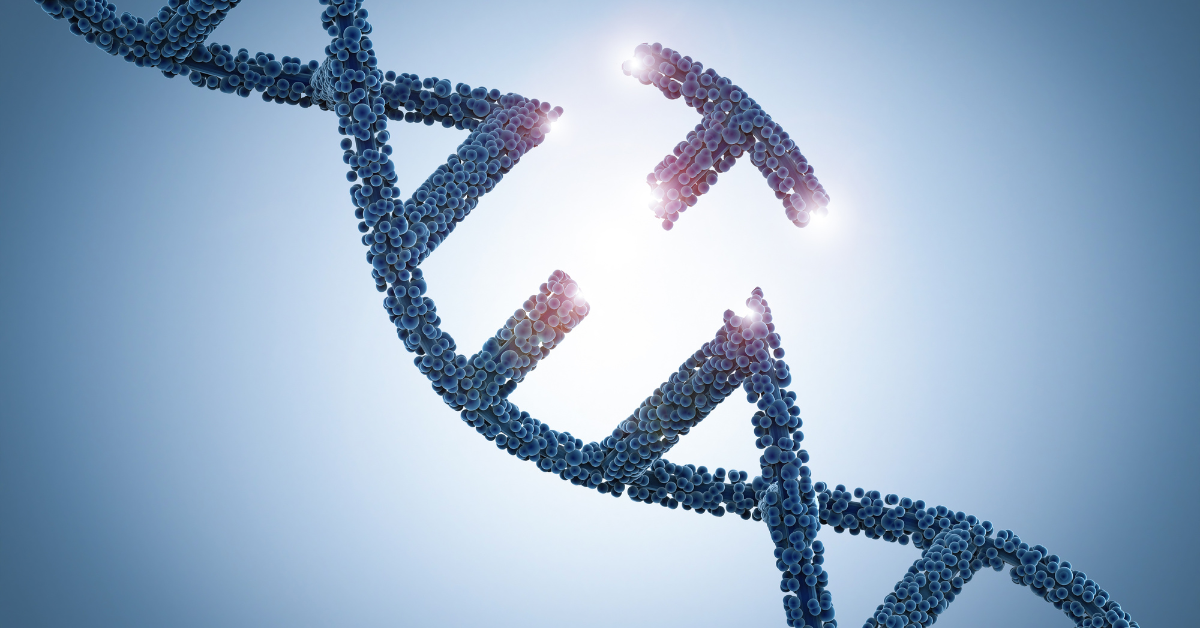
Yes, bipolar disorder has a genetic component. Studies indicate that people who have relatives with the condition are more likely to develop it. Although one gene alone does not lead to bipolar disorder, research shows that several genetic factors play a role in its onset. Having a family member with bipolar disorder increases the chance of inheriting the condition, but not everyone will develop it. The connection between bipolar and genetics highlights the importance of understanding family history when assessing the risk of this condition.
However, the genetics of bipolar disorder are only part of the equation. Environmental factors such as stress, trauma, or substance abuse also play a significant role in triggering the onset of symptoms, especially for those genetically predisposed.
Some key risk factors of bipolar disorder include:
- Family history: A close relative with bipolar disorder increases the likelihood of developing the condition.
- Genetic predisposition: Certain genetic variations may contribute to the risk of bipolar disorder.
- Environmental triggers: Stressful life events, trauma, or significant changes can lead to episodes.
- Substance abuse: The use of drugs or alcohol can trigger or worsen symptoms.
- Hormonal changes: Fluctuations in hormones, particularly during puberty, pregnancy, or menopause, can influence mood stability.
This interaction between genetics and environmental factors highlights the complexity of bipolar disorder and emphasizes the need for personalized treatment approaches to manage the condition effectively. If left unaddressed, symptoms of bipolar disorder may escalate to crisis levels.
How to Help Someone With Bipolar Disorder
Assisting a person with bipolar disorder can bring both gratification and difficulty. One fundamental way to assist is by gaining knowledge about the condition. Knowing the signs, causes, and treatment choices can help you understand your loved one’s situation. This information will empower you to participate in deeper discussions and identify indicators of an upcoming manic or depressive episode. Knowing enables you to handle the situation with understanding and tolerance, which are crucial for providing practical assistance.
Effective communication is essential in assisting individuals with bipolar disorder. Motivate your loved one to open up about their emotions and opinions, and listen attentively without criticizing. Inform them that discussing their experiences, fears, and challenges is acceptable. Nevertheless, it’s equally crucial to establish limits to safeguard your mental well-being. Assist without promoting destructive actions, and motivate them to seek professional assistance if necessary. Let them know that there are options for treatment and that effectively managing bipolar disorder typically involves using a combination of medication, therapy, and lifestyle changes.
Moreover, if they are willing, consider participating in their care plan. Participate in therapy sessions together or join support groups, as these can offer strategies to deal with the difficulties. Assist them in creating a schedule incorporating consistent sleep habits, nutritious meals, and physical activity, as these elements can significantly influence emotional balance. In the end, your love and support can play a vital role in their path to navigating bipolar disorder, making them feel supported and less alone.
Access Support for Bipolar Disorder at Our Behavioral Health Center
Suppose you or a loved one is struggling with bipolar disorder. In that case, our dedicated bipolar rehab program offers the comprehensive care needed to help manage the condition and achieve long-term stability. We provide personalized treatment plans that include medication management to ensure that mood swings are effectively regulated, allowing individuals to regain control of their lives. In addition to our rehab program, we offer a range of adult mental health services, including therapy, family programs, and educational tools to aid recovery.