
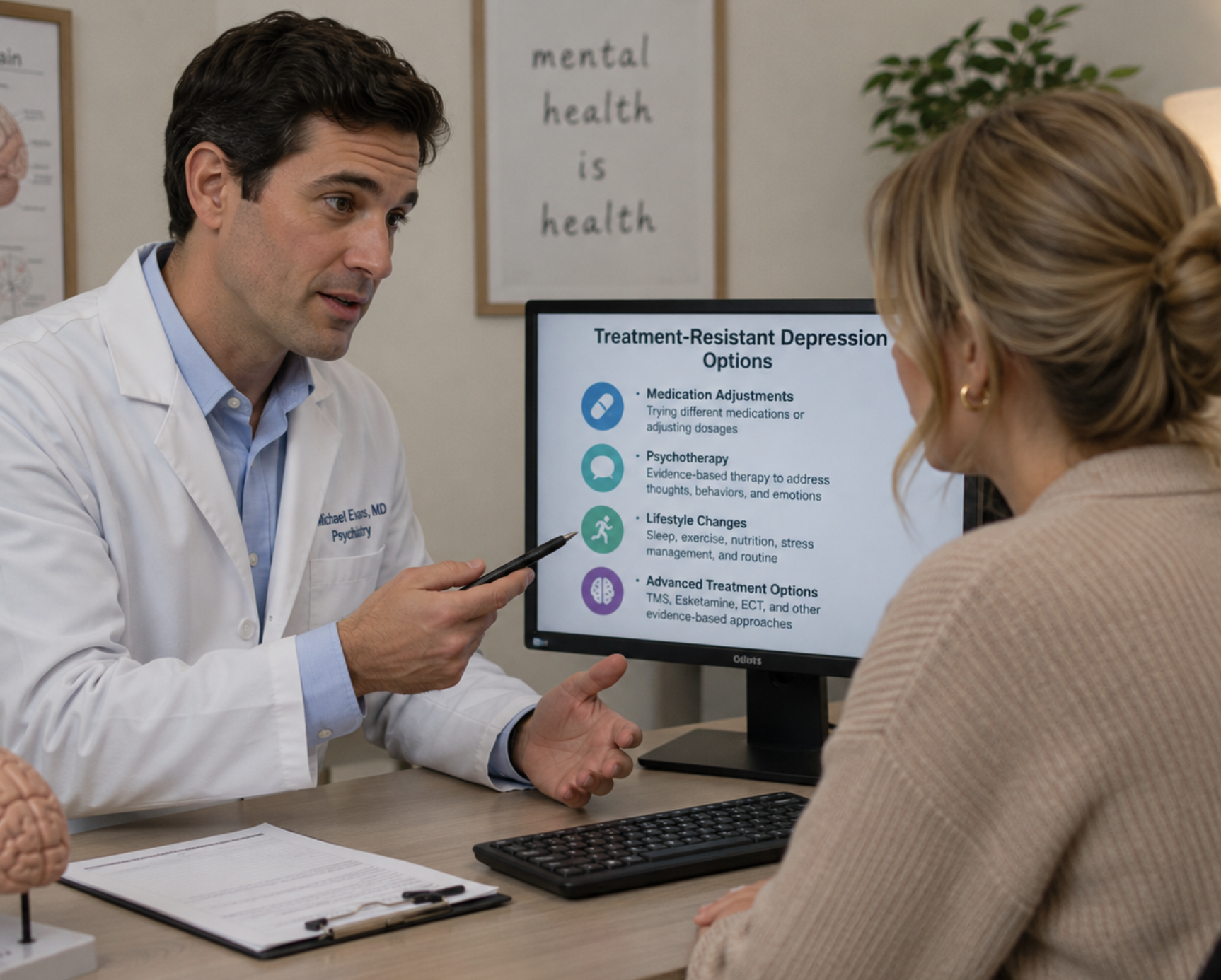
Depression is one of the most common mental health conditions in the world, and for many people, treatment leads to meaningful improvement. Therapy, medication, lifestyle changes, or a combination of these approaches often help reduce symptoms and improve quality of life. However, not everyone responds to treatment as expected.
For some individuals, depression persists despite trying one or more treatments. This experience is known as treatment-resistant depression (TRD). While the name can sound discouraging, it does not mean depression is impossible to treat. Instead, it means that the first treatment—or even several treatments—did not provide enough relief. Fortunately, there are still many evidence-based options available, and many people with treatment-resistant depression eventually find an approach that works for them.
What Is Treatment-Resistant Depression?
Treatment-resistant depression generally refers to major depressive disorder that has not significantly improved after trying at least two different antidepressant medications at appropriate doses and for an adequate length of time.
This doesn’t mean a person has done anything wrong or that recovery is out of reach. Depression is a complex condition influenced by genetics, brain chemistry, medical conditions, stress, trauma, and life experiences. Just as no two people experience depression in exactly the same way, no single treatment works for everyone.
Finding the right combination of treatments often requires patience, ongoing communication with healthcare providers, and a willingness to adjust the treatment plan over time.
Why Doesn’t Treatment Always Work?
There are many reasons someone may not respond to an initial treatment.
Sometimes the medication simply isn’t the right fit. Other times, the dosage may need adjustment, or the medication hasn’t been taken long enough to reach its full effect. Certain medical conditions, substance use, chronic stress, or untreated anxiety can also make depression more difficult to treat.
In some cases, the original diagnosis may need to be reconsidered. Conditions such as bipolar disorder, thyroid disorders, attention-deficit/hyperactivity disorder (ADHD), or trauma-related disorders can sometimes resemble depression or occur alongside it, requiring a different treatment approach.
This is why regular follow-up appointments are so important. They allow providers to reassess symptoms and make informed decisions about the next steps.
Signs Depression May Be Treatment-Resistant
Although everyone’s experience is different, some signs that depression may not be responding to treatment include:
- Symptoms continue despite trying multiple medications.
- Daily functioning remains significantly impaired.
- Feelings of hopelessness persist for months.
- Energy and motivation do not improve.
- Therapy and medication together provide little relief.
- Symptoms repeatedly return after temporary improvement.
If these situations sound familiar, it doesn’t mean recovery isn’t possible—it simply means a different treatment strategy may be needed.
Reviewing the Current Treatment Plan
Before moving on to more advanced options, mental health professionals often review the current treatment plan carefully.
They may consider questions such as:
- Has the medication been taken consistently?
- Was the dosage appropriate?
- Was it used long enough to evaluate its effectiveness?
- Are there underlying medical conditions contributing to symptoms?
- Are anxiety, trauma, or substance use also present?
- Would a different diagnosis better explain the symptoms?
This careful evaluation helps ensure that the next treatment decision is based on the most complete understanding of the person’s mental and physical health.
Medication Adjustments
One of the first steps may involve changing or adjusting medication.
A psychiatrist might recommend:
- Trying a different antidepressant
- Increasing or decreasing the dosage
- Combining two antidepressants
- Adding another type of medication to enhance effectiveness
This process can take time, but medication adjustments often provide meaningful improvement for people who did not respond to their first prescription.
The Importance of Therapy
Medication can reduce symptoms, but therapy addresses many of the emotional, behavioral, and psychological factors that contribute to depression.
Evidence-based therapies commonly used for treatment-resistant depression include:
- Cognitive Behavioral Therapy (CBT)
- Interpersonal Therapy (IPT)
- Acceptance and Commitment Therapy (ACT)
- Dialectical Behavior Therapy (DBT)
- Trauma-focused therapy when appropriate
Therapy helps people identify negative thought patterns, improve coping skills, strengthen relationships, and develop healthier ways of responding to stress.
For many individuals, combining therapy with medication produces better outcomes than either treatment alone.
Lifestyle Changes Can Support Recovery
Although lifestyle changes are rarely enough to treat severe depression on their own, they can strengthen an overall treatment plan.
Helpful habits may include:
- Maintaining a regular sleep schedule
- Exercising consistently
- Eating a balanced diet
- Limiting alcohol and recreational drug use
- Spending time outdoors
- Staying socially connected
- Practicing mindfulness or relaxation techniques
These habits don’t replace professional treatment, but they can improve both physical and emotional well-being while supporting recovery.
Advanced Treatment Options
When traditional approaches have not provided enough relief, psychiatrists may recommend additional evidence-based treatments.
Transcranial Magnetic Stimulation (TMS)
TMS is a non-invasive treatment that uses magnetic pulses to stimulate specific areas of the brain involved in mood regulation.
It does not require surgery or anesthesia, and many people continue normal daily activities immediately after each session. TMS has helped many individuals whose depression did not improve with medication alone.
Esketamine (Spravato)
Esketamine is a prescription medication approved for certain adults with treatment-resistant depression. Administered under medical supervision, it works differently than traditional antidepressants and may provide relief more quickly for some individuals.
Because it requires careful monitoring, treatment takes place in a certified healthcare setting.
Electroconvulsive Therapy (ECT)
ECT remains one of the most effective treatments for severe depression, particularly when symptoms are life-threatening or have not responded to other interventions.
Although older portrayals of ECT in movies created significant stigma, modern ECT is performed under general anesthesia with carefully controlled procedures. For many individuals with severe or treatment-resistant depression, it can be a highly effective and lifesaving option.
Hope Is Still Possible
One of the greatest challenges of treatment-resistant depression is the feeling that nothing will ever work.
After trying multiple medications or therapies without success, it’s understandable to feel discouraged. However, many people eventually find meaningful relief through treatment adjustments, advanced therapies, or combinations of approaches that were not available when they first sought help.
Mental health treatment is rarely one-size-fits-all. What doesn’t work today does not predict what will work tomorrow.
Continuing to work closely with qualified mental health professionals gives individuals the best opportunity to find a treatment plan that meets their unique needs.
Supporting Someone With Treatment-Resistant Depression
Watching someone struggle with ongoing depression can be difficult, especially when they have already tried several treatments.
Friends and family can provide valuable support by:
- Listening without judgment.
- Encouraging continued professional care.
- Avoiding comments like “just stay positive.”
- Being patient during setbacks.
- Offering practical help with everyday tasks.
- Reminding them that recovery may take time.
Even small acts of compassion can help reduce the isolation that often accompanies depression.
Final Thoughts
Treatment-resistant depression can feel overwhelming, but it is not the end of the road. While some individuals need more time or a different combination of treatments to experience relief, there are more options available today than ever before.
Whether that involves adjusting medication, participating in therapy, exploring advanced treatments like TMS or ECT, or combining several evidence-based approaches, recovery remains possible. The most important step is continuing to seek support rather than giving up after an initial treatment doesn’t work.
Depression may be persistent, but so is the progress being made in mental health care. With ongoing guidance from qualified professionals, patience, and a personalized treatment plan, many people living with treatment-resistant depression are able to regain hope, improve their quality of life, and move toward lasting recovery.
Contact us online or call 844-525-2899 to speak with a member of our team today.