
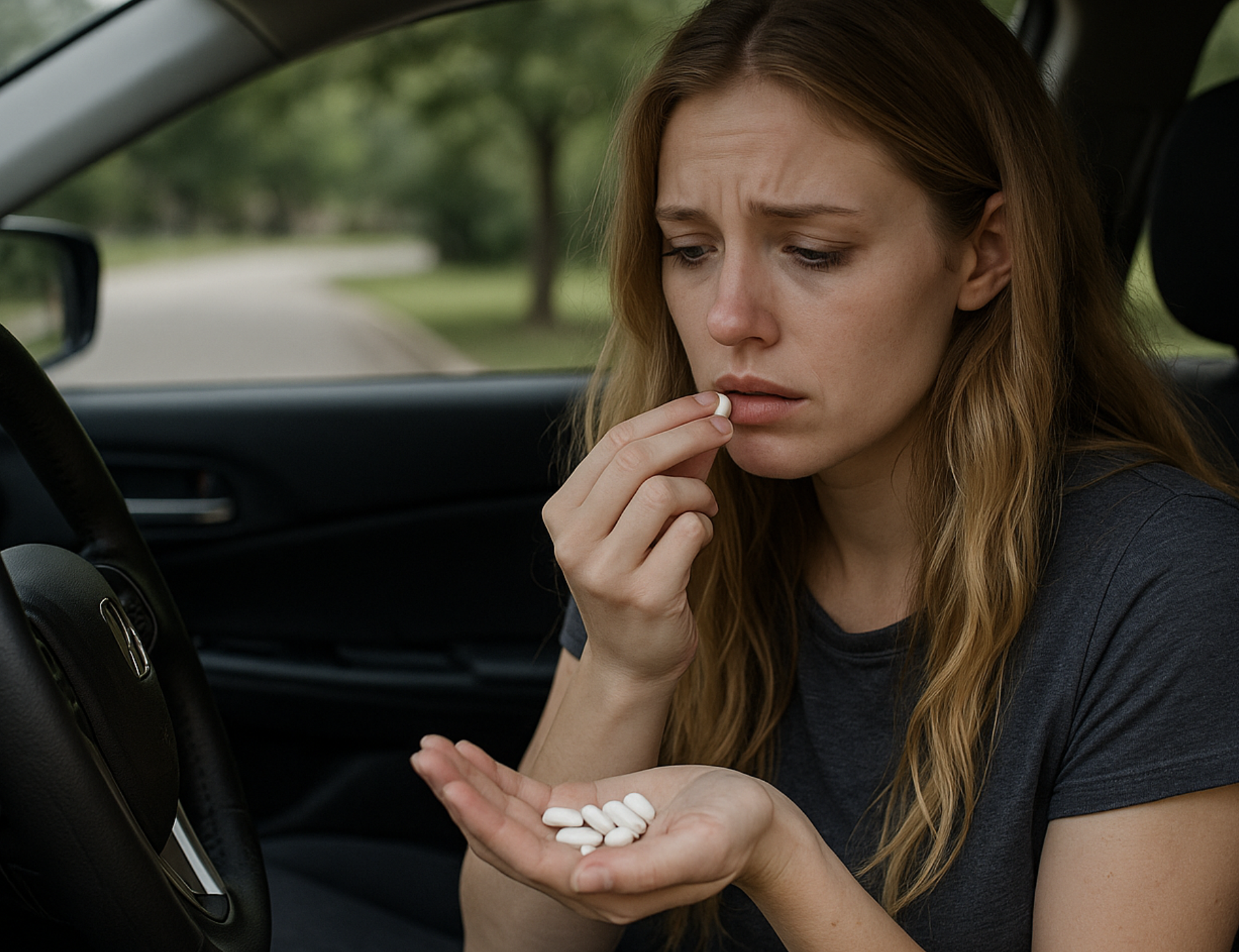

When people think of “medication,” they usually picture a doctor writing a prescription or a therapist guiding them through treatment. But there’s another side to the story—one that often happens in silence and behind closed doors. It’s called self-medication, and it’s a dangerous but common way people try to cope with mental health struggles.
Self-medication happens when someone uses substances like alcohol, drugs, or even over-the-counter medications to manage emotional pain, stress, or symptoms of mental illness. Instead of reaching for professional help, they reach for something that numbs, distracts, or offers temporary relief. While it may feel like a quick fix, self-medication often leads to a cycle of dependence, worsening mental health, and, eventually, the need for recovery support.
Why People Turn to Self-Medication
Living with anxiety, depression, PTSD, or other mental health challenges can be overwhelming. The racing thoughts, sleepless nights, or waves of sadness make daily life feel like an uphill battle. For many, substances seem like the simplest way to quiet the noise. A glass of wine to calm the nerves. Pills to help with sleep. Marijuana to dull the pain.
But the root cause goes deeper than just seeking relief. People often self-medicate because they don’t feel comfortable talking about their struggles. Stigma around mental illness creates silence, and in that silence, substances become the “solution.” It’s easier to grab a drink than to book a therapy appointment. It’s less scary to pop a pill than to admit you’re hurting inside.
Unfortunately, what feels like control at first quickly becomes the opposite. Substances trick the brain into thinking it has found balance, but in reality, they disrupt natural processes and create dependency.
The Mental Health Connection
Self-medication doesn’t just mask mental health symptoms—it feeds them. Alcohol, for example, is a depressant. While it might take the edge off anxiety in the moment, it can deepen feelings of sadness and hopelessness over time. Stimulants like cocaine may boost mood temporarily but often leave people crashing harder than before.
For someone with undiagnosed depression or trauma, self-medicating can actually make it harder to identify and treat the underlying problem. Instead of recognizing the signs of a disorder, both the person and their loved ones may only see the substance use. This blurs the lines and keeps people from getting the proper help they need.
The risk goes both ways. Mental illness can lead someone to use substances, and substance use can trigger or worsen mental illness. This is why so many people face what’s called a “dual diagnosis”—a combination of addiction and a mental health condition. In these cases, treating only one side of the problem isn’t enough. Both need to be addressed together.
The Cycle of Self-Medication
At its core, self-medication is a cycle. It usually starts with emotional pain or stress. A person reaches for a substance to find relief. The relief works—for a little while. Then the feelings come back, sometimes even stronger. The person uses more of the substance, chasing the same sense of comfort. Soon, the brain becomes dependent, and the body craves the escape just to feel “normal.”
This cycle is what makes self-medication so dangerous. It often shifts from casual use to dependency before someone even realizes it’s happening. What started as “just one drink to relax” turns into needing alcohol every night. What began as taking a pill occasionally turns into a full-blown addiction.
Why Professional Help Matters
Breaking free from self-medication isn’t just about putting down the drink or avoiding the drugs. It’s about addressing the reason someone turned to them in the first place. That’s why professional treatment is so important.
Therapists, counselors, and recovery programs provide healthier coping mechanisms to manage mental health symptoms. Instead of numbing emotions, treatment helps people process and work through them. Support groups offer connection and understanding, reminding people they’re not alone. Medical professionals can also provide safe, monitored medications when necessary—ones designed to heal rather than harm.
Recovery is about replacing temporary fixes with lasting solutions. Learning mindfulness, building healthy routines, and talking openly about struggles create resilience that substances never could.
Supporting Sobriety and Mental Health
For anyone caught in the cycle of self-medication, the first step is honesty—recognizing that the way they’ve been coping isn’t sustainable. The second step is courage—reaching out for help. Whether it’s talking to a friend, seeking a therapist, or entering a recovery program, those actions can change the entire trajectory of someone’s life.
Family and friends play a big role too. Instead of judging or shaming, loved ones can encourage and support healthier coping strategies. Understanding that self-medication is often a symptom of deeper pain helps shift the focus toward healing rather than punishment.
A Path Toward Healing
Self-medication is a sign that someone is hurting and searching for relief. It’s not weakness—it’s a human attempt to survive pain. But survival isn’t the same as living. True healing comes from addressing mental health directly and breaking the reliance on substances.
The good news is that recovery is possible. With the right support, people can learn healthier ways to manage anxiety, depression, trauma, or stress. They can rediscover joy, rebuild relationships, and reclaim their lives. Sobriety isn’t just about avoiding substances; it’s about finding freedom from the cycle that kept them stuck.
Self-medication may feel like an answer in the moment, but in reality, it’s only a detour that leads to more pain. The real solution lies in opening up, seeking help, and embracing the journey toward both mental health and sobriety.
Contact us online or call 844-525-2899 to speak with a member of our team today.