
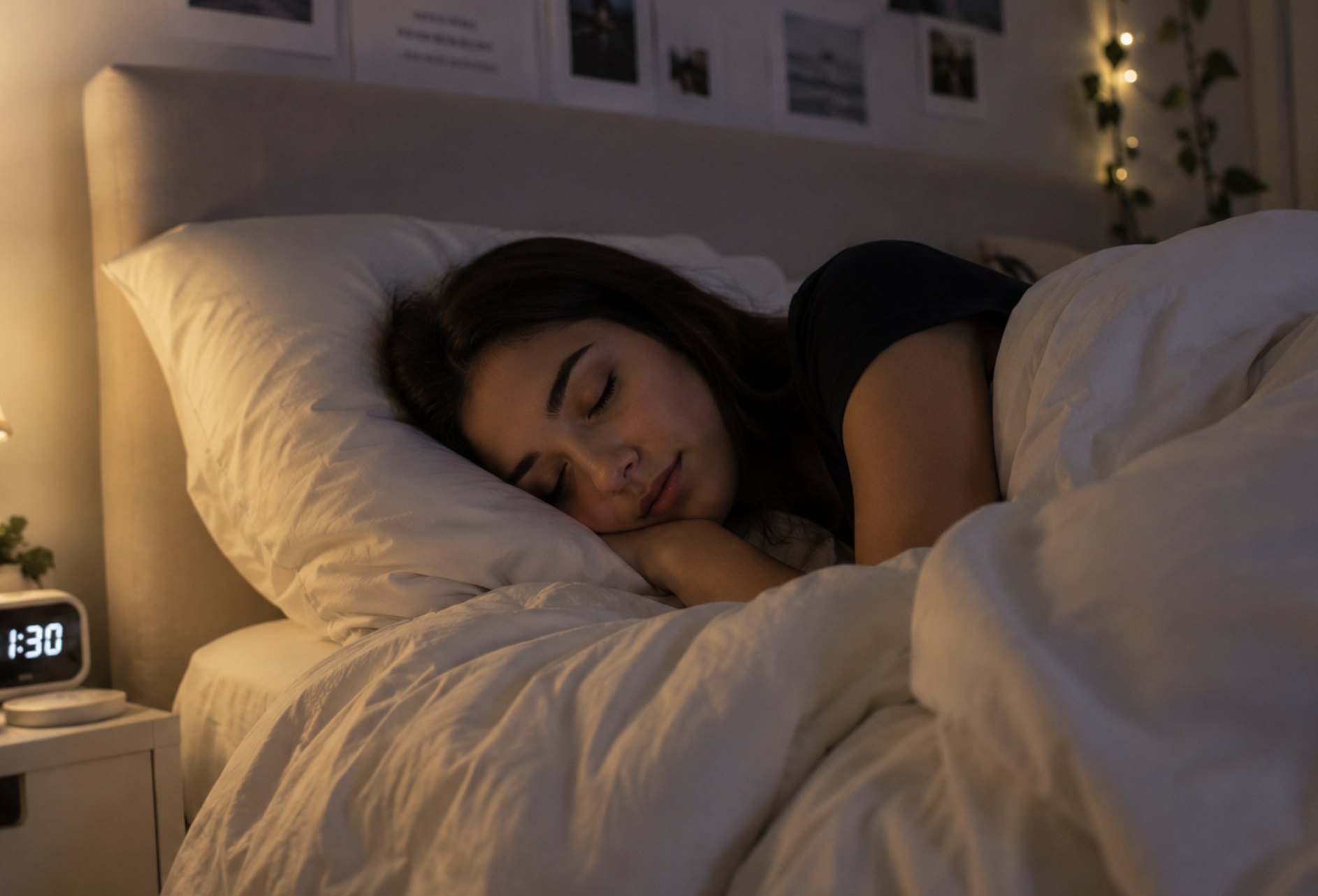
Why Sleep Matters More Than People Think
Sleep affects nearly every part of mental health. When someone consistently gets poor sleep, their mood, focus, patience, and emotional control can all suffer.
A single bad night of sleep can make someone feel irritated or anxious the next day. Over time, poor sleep habits can increase feelings of stress, sadness, and emotional exhaustion.
Mental Health and Insomnia
People dealing with anxiety or depression often struggle with sleep. Some cannot fall asleep because their mind races at night. Others sleep for long periods but still wake up feeling exhausted.
This creates a frustrating cycle:
- Poor mental health makes sleep harder
- Poor sleep makes mental health worse
Breaking that cycle is important for emotional recovery.
Healthy Sleep Habits
Improving sleep does not always happen overnight, but small changes can help:
- Avoid screens before bed
- Keep a consistent sleep schedule
- Reduce caffeine late in the day
- Keep the bedroom cool and dark
- Avoid scrolling social media at night
Relaxing activities like reading, stretching, or listening to calming music can also help prepare the brain for rest.
Sleep is not a luxury. It is essential for emotional balance and mental clarity. Taking sleep seriously can improve mood, reduce stress, and help people feel more in control of their lives.
FAQs
Can lack of sleep increase anxiety?
Yes. Poor sleep can increase stress, anxiety, irritability, and emotional exhaustion.
How many hours of sleep should adults get?
Most adults benefit from around seven to nine hours of sleep per night.
Why do anxious thoughts get worse at night?
Many people become more aware of stress and racing thoughts when distractions disappear at night.
Contact us online or call 844-525-2899 to speak with a member of our team today.