
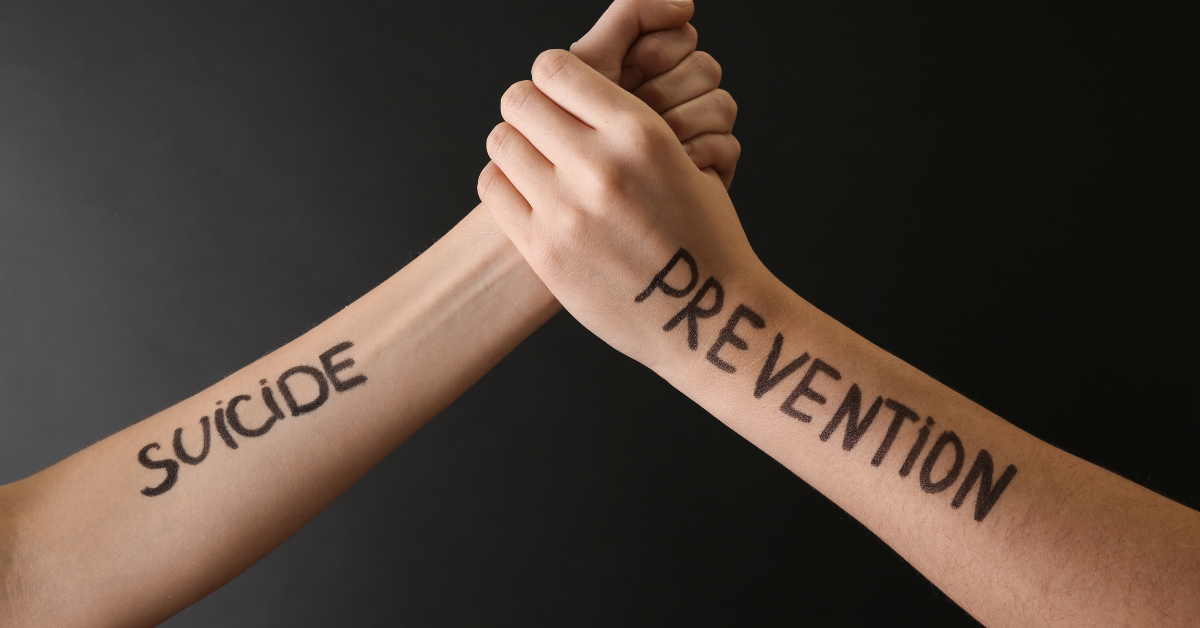

*Disclaimer: The following content discusses sensitive topics related to suicide and mental health. If you or someone you know is experiencing suicidal thoughts or emotional distress, please seek immediate help from a mental health professional or call the Suicide and Crisis Lifeline at 988. The information provided is for educational purposes and is not a substitute for professional medical advice or treatment. Remember, reaching out for help is a sign of strength.*
Suicide is a deeply complex and tragic phenomenon that affects countless individuals and communities worldwide. Understanding the reasons behind suicide, learning how to recognize the signs, and knowing how to offer support are crucial steps in addressing this pressing issue. Diamond Behavioral Health is exploring the various factors that lead people to die by suicide. We discuss how to honor National Suicide Prevention Week, which runs from September 8th to 14th, and we highlight the importance of awareness and intervention in preventing these heartbreaking losses. By fostering empathy, education, and community involvement, we can make a significant difference in the fight against suicide and support those in need.
Why Do People Commit Suicide?
Suicide is a complicated problem that impacts people from various backgrounds and demographics. Though reasons for contemplating or engaging in suicide may vary for individuals, common factors frequently play a role in influencing these heartbreaking actions. Comprehending these causes can assist in creating successful prevention methods and offering assistance to individuals requiring support.
Common reasons for committing suicide include:
- Mental Health Disorders: Conditions such as depression, bipolar disorder, and schizophrenia can lead to feelings of hopelessness and despair.
- Substance Abuse: Addiction to drugs or alcohol can exacerbate mental health issues and impair judgment, leading to suicidal thoughts.
- Trauma and Abuse: Experiences of physical, emotional, or sexual abuse can leave deep psychological scars, contributing to being preoccupied with the idea of suicide. This preoccupation is also known as suicidal ideation.
- Chronic Illness or Pain: Living with a debilitating illness or chronic pain can lead to feelings of helplessness and a desire to escape suffering.
- Loss and Grief: The death of a loved one, divorce, or the loss of a job can trigger intense emotional distress, a sense of loss, and unending grief.
- Isolation and Loneliness: Lack of social support, feelings of isolation, and bullying can make individuals feel disconnected and unvalued.
- Financial Stress: Economic hardships and debt can create a sense of failure and hopelessness.
- Stigma and Discrimination: Experiencing discrimination due to race, gender, sexual orientation, or other factors can lead to severe emotional distress.
It is essential to comprehend the factors causing suicide in order to offer appropriate support and interventions. Establishing a caring and empathetic atmosphere, providing mental health support, and decreasing the shame attached to seeking assistance can greatly impact the prevention of suicide. It is important to address this problem with empathy and comprehension. Acknowledge that individuals facing challenges may feel swamped and require care and assistance from someone with professional suicide prevention training.
How to Honor National Suicide Prevention Week
Suicide Prevention Week is an important opportunity to educate about suicide’s complexities, advocate for mental health, and provide support to those impacted by suicide. One significant way to show respect during this week is by learning and teaching others about suicide warning signs and the value of mental wellness.
Going to workshops, joining webinars, or educating yourself through mental health resources can provide you with the information needed to identify signs of someone facing difficulties. Understanding the warning signs and knowing how to provide support can have a significant impact on preventing suicide and motivating those in crisis to seek assistance.
Another important way to show respect is by getting involved in local activities and projects. Numerous groups organize walks, vigils, and events to increase awareness and show support for suicide prevention. Giving your time as a volunteer or contributing to these causes can have a concrete influence. Moreover, sharing personal experiences and anecdotes can contribute to destigmatizing mental health problems and preventing suicide.
By promoting a transparent and encouraging conversation, you help to build a community where people feel comfortable sharing their challenges and reaching out for assistance. Participating in these activities not only commemorates those who died by suicide but also bolsters the community’s commitment to avoiding similar tragedies in the future.
Suicide Prevention Week is an important opportunity to educate about suicide’s complexities, advocate for mental health, and provide support to those impacted by suicide. One significant way to show respect during this week is by learning and teaching others about suicide warning signs and the value of mental wellness.
Going to workshops, joining webinars, or educating yourself through mental health resources can provide you with the information needed to identify signs of someone facing difficulties. Understanding the warning signs and knowing how to provide support can have a significant impact on preventing suicide and motivating those in crisis to seek assistance.
Another important way to show respect is by getting involved in local activities and projects. Numerous groups organize walks, vigils, and events to increase awareness and show support for suicide prevention. Giving your time as a volunteer or contributing to these causes can have a concrete influence. Moreover, sharing personal experiences and anecdotes can contribute to destigmatizing mental health problems and preventing suicide.
By promoting a transparent and encouraging conversation, you help to build a community where people feel comfortable sharing their challenges and reaching out for assistance. Participating in these activities not only commemorates those who died by suicide but also bolsters the community’s commitment to avoiding similar tragedies in the future.
Access Support at Our Florida Behavioral Health Center
Addressing the complexities of suicide requires a multifaceted approach that includes awareness, intervention, and ongoing support. Our adult mental health services and therapy programs are designed to provide comprehensive care tailored to individual needs and ensure that each person receives the compassionate and effective treatment they deserve. By engaging with our blog, you can access insightful articles and valuable resources on mental health and suicide prevention, helping to broaden your understanding and ability to support others.
We strongly believe that no one should face their struggles alone. If you or someone you know is experiencing suicidal thoughts or mental health challenges, please don’t hesitate to reach out for help. Our Palm Beach Mental Health Clinic is here to support you every step of the way. We can provide the guidance and care necessary to navigate these difficult times.